
What would a Chinese invasion of Taiwan look like?
By Easton Martin | June 10, 2026
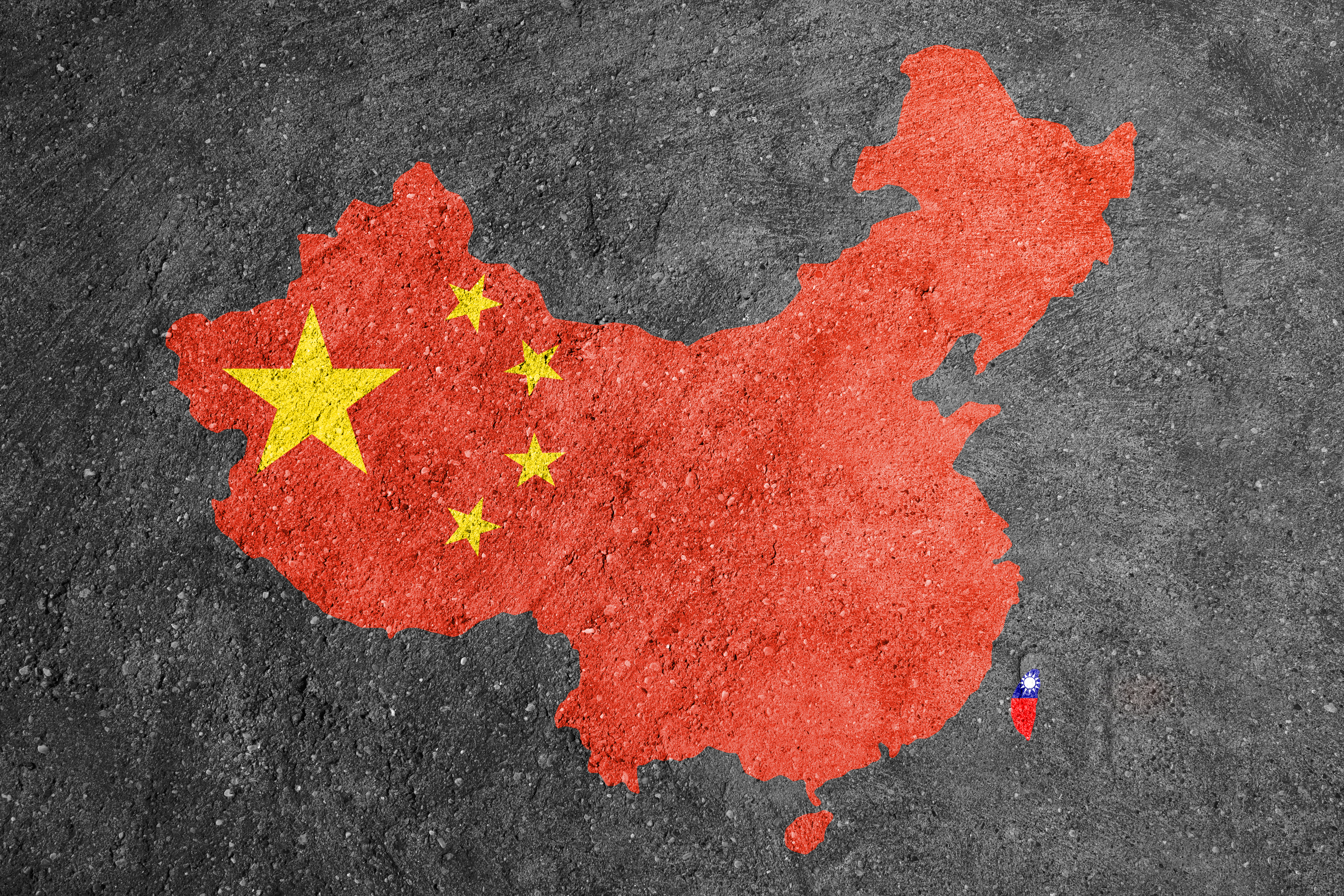
The geopolitical outlook in the Western Pacific remains tense as defense analysts and economists project the realistic consequences of a potential Chinese invasion of Taiwan.
Official intelligence assessments suggest no immediate timeline for a full scale assault, but China has long made their intentions known regarding their desire for Taiwan.
An outright invasion would result in one of the most destructive conflicts seen in decades. Extensive studies by the Center for Strategic and International Studies indicate that a conventional amphibious assault would likely fail to secure the island, provided the United States and its allies intervene. However, that defense would require an immense sacrifice.
Simulations show that the United States and Japan could lose dozens of warships, hundreds of aircraft, and thousands of service members within the first few weeks of fighting. Taiwan would see its infrastructure severely damaged, while China would likely lose the vast majority of its amphibious fleet, severely crippling its long term naval capabilities.
A more likely near term scenario involves an asymmetric blockade rather than a kinetic invasion. Beijing could utilize its navy and coast guard to surround the island, cutting off vital maritime trade routes. A complete blockade would likely cripple Taiwan within weeks. Once coal and oil inventories run dry, domestic electricity production would drop to critical levels, leaving only enough power for emergency services. Even if a joint coalition attempted to escort merchant convoys through the blockade, global maritime shipping would face unprecedented losses.
The economic fallout of either scenario would trigger a global financial crisis. Research from Bloomberg Economics indicates that an all out war over Taiwan could wipe 10.6 trillion dollars from the global economy in the first year alone, which amounts to roughly ten percent of global gross domestic product. This financial shock would easily surpass the economic damage caused by the pandemic or the 2008 financial crisis.
The primary driver of this economic collapse sits in the technology sector. Taiwan produces over sixty percent of the world’s advanced semiconductors and holds a near monopoly on the microchips required for artificial intelligence, smartphones, and advanced military hardware. A sudden halt in production from Taiwan Semiconductor Manufacturing Company would freeze global electronics manufacturing, severely hurting tech giants around the world.
International allies would also face steep domestic recessions. Models show that European nations, particularly Germany, would see their economies contract heavily due to their reliance on Taiwanese chips and Chinese raw materials. Major Asian neighbors like South Korea and Japan would face direct economic contractions of over fourteen percent due to trade halts and shipping disruptions in the Taiwan Strait, a corridor that handles more than one fifth of global maritime trade.