

What we know so far about the B-52 crash in California
By Easton Martin | June 16, 2026
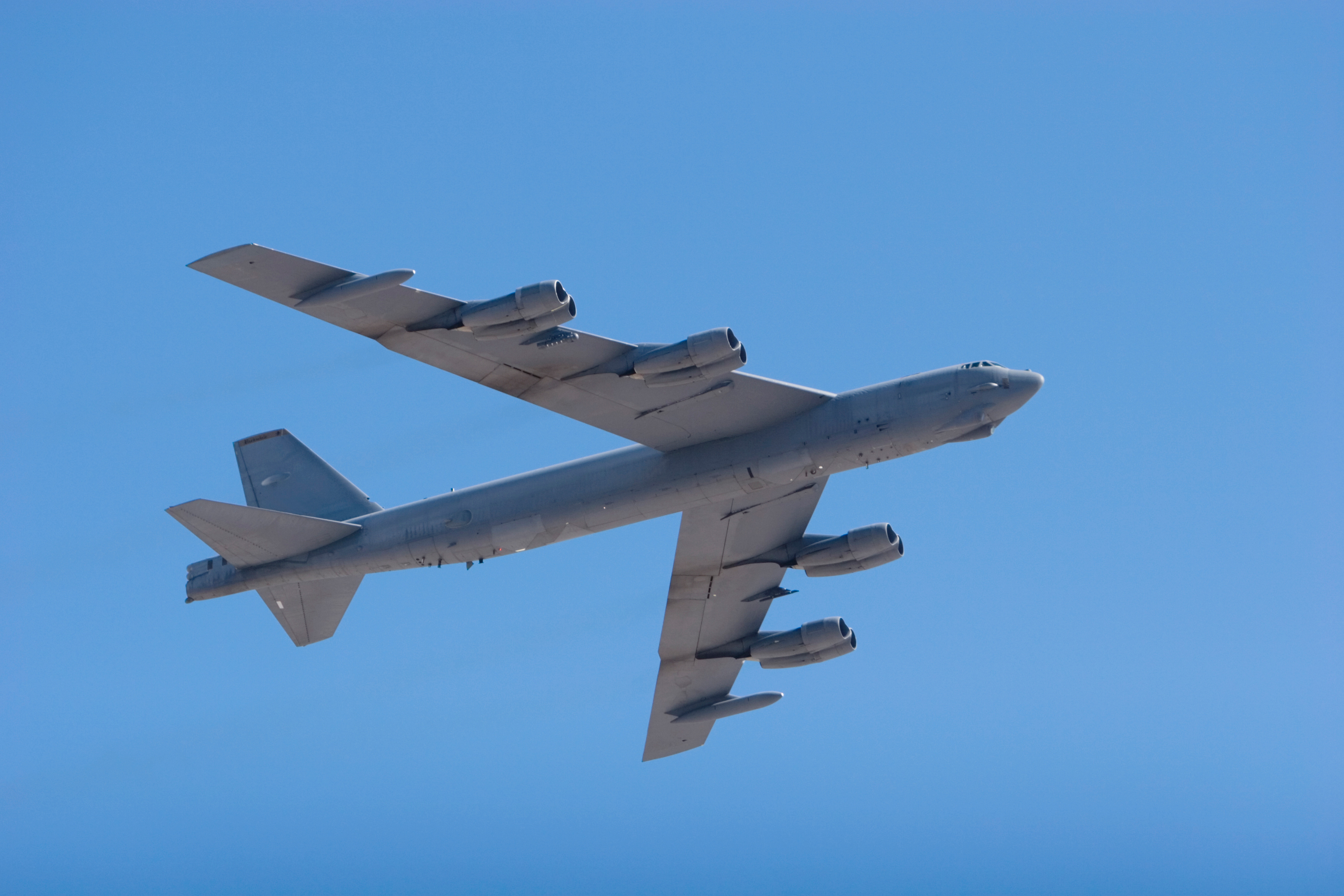
An Air Force B-52 Stratofortress bomber crashed shortly after takeoff at Edwards Air Force Base in California on Monday morning, killing all eight people on board.
The incident occurred at approximately 11:20 a.m. local time in the western Mojave Desert, roughly 60 miles north of Los Angeles. Aerial footage and satellite imagery captured a massive plume of dense black smoke rising from a large, charred section of the base runway and surrounding desert landscape. Emergency response teams mobilized immediately to contain the subsequent fire, which left little recognizable wreckage of the massive aircraft.
Military officials confirmed that the crash was entirely unsurvivable. The victims comprised a mixed crew of uniformed military personnel, government civilian employees, and civilian contractors. The aerospace company Boeing confirmed later that evening that two of its employees were among those lost on the flight. Authorities are withholding the names of the deceased pending the completion of family notifications.
Colonel James Hayes, the deputy commander at Edwards Air Force Base, expressed the profound grief gripping the installation. He stated that the base lost eight great Americans and noted that current efforts are focused entirely on supporting the families of the victims.
Following the disaster, base officials closed the airfield and began diverting all inbound aircraft. Non-commercial visitor passes to the installation were suspended to allow emergency personnel and investigators unhindered access to the site. Officials also noted that normal flight operations would remain halted due to significant runway damage caused by the impact and intense fire.
The heavy strategic bomber, an H-model nicknamed “The Spirit of Aggieland II,” was assigned to the 412th Test Wing. It was conducting a routine local flight in support of the Air Force’s ongoing radar modernization program. This specific initiative aims to upgrade the aging fleet’s analog radar systems to modern active electronically scanned array systems, part of a broader effort to keep the historic aircraft operational for decades to come.