
What to expect from a potential deal between the U.S. and Iran
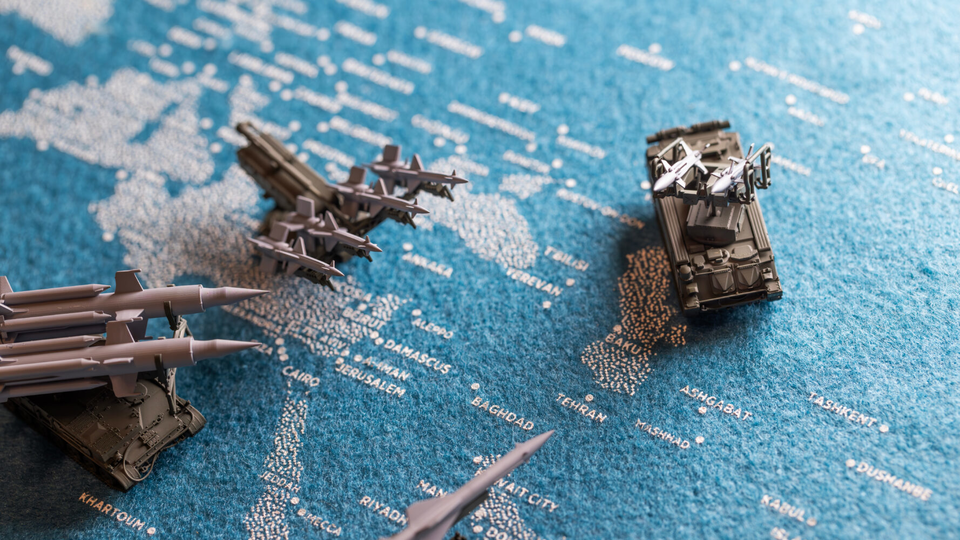
President Trump announced a preliminary deal with the Islamic Republic of Iran this week. What points might be included, and is it different from the 2015 JCPOA?
Opinion-editorial by Summer Lane | June 15, 2026
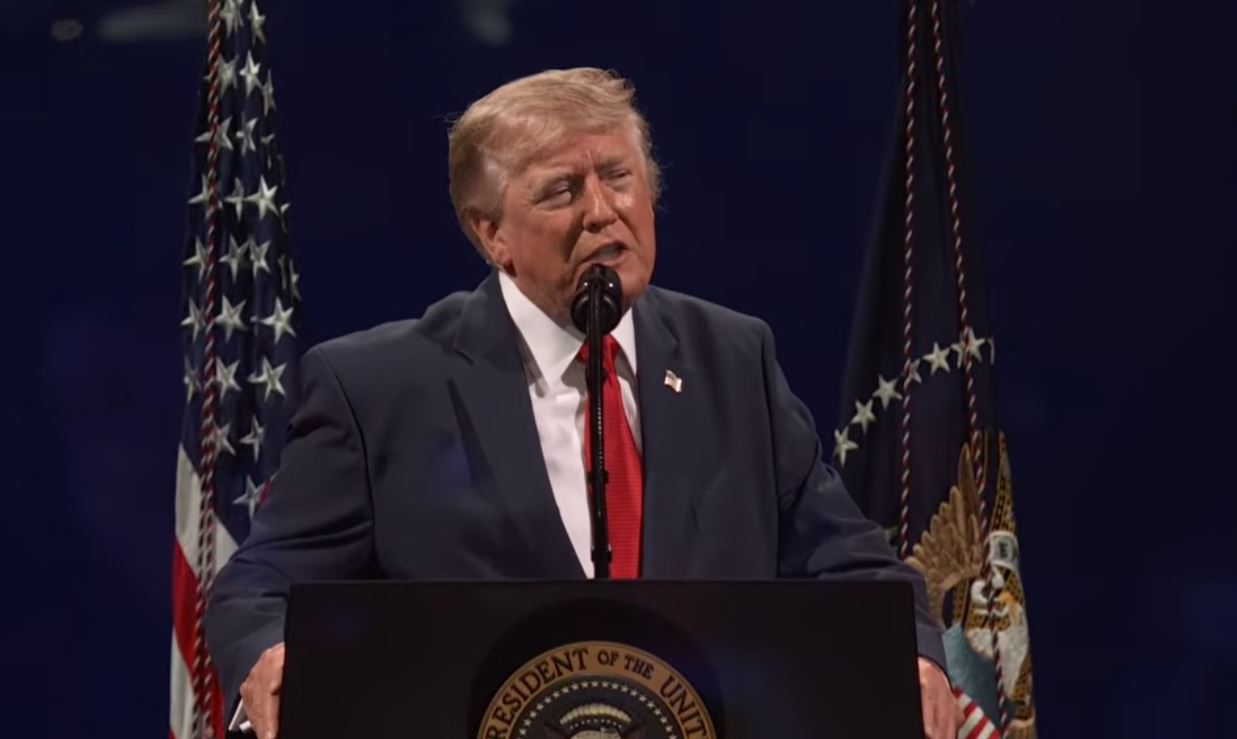
President Donald Trump announced this week that the United States and Iran had reached a deal to end the war, telling reporters on Monday that the Strait of Hormuz should be reopened by the end of the work week.
“I want it to be released, because it’s a very powerful document,” the president said of releasing an MOU, or memorandum of understanding.
He continued, “It’s not like the Obama document, which was just a terrible document…I would say…sometime after Friday.”
The president was referring to the 2015 Joint Comprehensive Plan of Action (JCPOA), also sometimes called the “Obama nuclear deal.” This accord was solidified between Iran, the United States, and several other countries that aimed at dismantling most of the Iranian nuclear capacity.
With rumblings of a new deal with Iran on the horizon, following more than 100 days of conflict since the war was launched in late February, details of this new agreement have remained scarce.
What do we know about a potential deal so far, and can Americans expect it to be any different from the Obama-era nuclear deal?
Iranian nuclear ambitions vs. American talking points
During his first term in office, President Trump withdrew the United States from the JCPOA. This left the two nations without a “formal” agreement on the issue of Iranian nuclear activity. Last summer, the U.S. military carried out a limited scope strike against Iran, Operation Midnight Hammer, which, according to the White House, destroyed any Iranian nuclear potential.
It came as a surprise for many people, then, when the U.S. launched a full-scale war against Iran with the stated purpose of stopping Iran from obtaining a nuclear weapon.
After going to war, President Trump explained his position on this, arguing that despite this obliteration in 2025, Iran continued to pursue nuclear weapons and strengthen its ballistic missile program.
It has been war and chaos ever since, as Iran has maintained a chokehold on the Strait of Hormuz, clogging up the free flow of energy throughout the world and rocking the oil and gas markets.
Amid the potential end to the war, and a possible deal with the regime by the end of the week, the question remains: what will this new Trump-era deal with Iran look like?
According to the Council on Foreign Relations, Iran agreed to two main points eleven years ago in the JCPOA: nuclear restrictions (agreeing not to produce enriched uranium or plutonium) and nuclear monitoring and inspections. Along with this, per the CFR, some sanctions on Iran were lifted by the U.S. and other nations.
However, amid Joe Biden’s administration – four chaotic years right in the middle of the Obama and Trump administrations – Iran apparently moved to rebuild its nuclear capabilities, which eventually led to the 2025 military strike against key Iranian enrichment facilities.
Obfuscation of the facts, however, remains. Outgoing Director of National Intelligence Tulsi Gabbard testified during the early days of the war that Iran was allegedly not rebuilding its nuclear arsenal, maintaining that Operation Midnight Hammer had eliminated that threat.
“There have been no efforts since then to try to rebuild their enrichment capability,” Gabbard said, via written testimony to the Senate Intelligence Committee, via Al Jazeera.
She also assessed that even following the United States’ relentless hammering of Iran via Operation Epic Fury, the regime would continue to pose an even bigger threat. “Even so, Iran and its proxies remain capable of and continue to attack US and allied interests in the Middle East. If a hostile regime survives, it will seek to begin a years-long effort to rebuild its missiles and UAV [drone] forces,” she assessed.
Her assessment proved sound, as demonstrated by the Iranians’ months-long dogged talent for not only surviving, but continuing to strike back with drones and missiles, even amid a significant degradation of their military power on all fronts: naval, air, and missile industrial bases.
In other words, the Iranians were a lot tougher than some people may have guessed, and there seems to be some debate over whether Iran truly was close to developing a nuclear weapon, or whether some other forces were at play.
“We knew that there was going to be an Israeli action, we knew that that would precipitate an attack against American forces, and we knew that if we didn’t preemptively go after them before they launched those attacks, we would suffer higher casualties,” Secretary of State Marco Rubio told reporters in early March.
It seems clear that while, perhaps, stopping Iranian nuclear ambitions were part of the reason for starting this war, it doesn’t seem likely that it was the only one.
Where will this war end
It’s unclear what the details of this new Trump-era agreement will look like, but there are a few hints. First, Vice President J.D. Vance said this week that there would be two main points to the agreement: first, it would ensure that Iran doesn’t obtain a nuclear weapon, and second, that it would reopen the Strait of Hormuz.
He also alluded to pressuring the Iranians into cooperating with inspections of their nuclear program, not unlike the JCPOA, of course. Additionally, he was asked whether the Iranians would have access to a $300 billion reconstruction fund.
“That’s the kind of thing they could have access to, funded by the Gulf Coast coalition, so long as they honor their end of the obligation,” Vance told CBS Mornings.
This aligns with President Trump’s comments on Monday in France at the G7 Summit, speaking about potential sanctions relief in Iran. “It’s really a behavioral thing,” he said. “If they do what they’re supposed to do, that starts taking effect.”
In sum, Americans may be able to expect at least the following key points in a possible deal: some kind of a moratorium on Iranian enrichment, a commitment on Iran’s part to stop pursuing nuclear weapons, the reopening (possibly toll-free) of the Strait of Hormuz, and possible sanctions relief or access to a reconstruction fund if Iran follows the terms of the deal.
One sticking point that has not been addressed is Israel’s role in this Middle Eastern mess. The IDF has doggedly pursued war in Lebanon, and it is possible that a peace deal with Iran may not materialize unless Israel can agree to cease its hostilities in that region.
According to The Times of Israel, as of Monday, Israeli Defense Minister Katz said that the IDF would remain in Southern Lebanon just in case Iran was to strike. This suggests Israel is hesitant to withdraw from the region, but the outlet noted that Iran’s Foreign Minister, Abbas Araghchi, reportedly told other Middle Eastern leaders in calls this week that Israeli action must come to an end in Lebanon if a final deal is to be reached.
So, a final Iran-U.S. deal may require a commitment from Israel to back off from Lebanon.
None of these possible points has been confirmed, but they seem likely to be included if the United States and Iran have any chance of solidifying a lasting peace deal that can bring an end to this difficult conflict.
Photo: Adobe Stock