
Wars and rumors of wars: a new era of propaganda and strategy unfolds
In a social media-driven age, news from the other side of the world can be received instantly. But how can we know what is true? Can we trust what we see with our eyes and ears online? The globe has truly entered a new age of information warfare, and parsing through data has become more troublesome than ever.
Opinion-editorial by Summer Lane | March 16, 2026
Over the weekend, rumors spread like wildfire that Israeli Prime Minister Benjamin Netanyahu had been killed amid the war in the Middle East. This speculation emerged following a press conference posted on social media that online users claimed was AI-generated. This, in tandem with unverified reports that the PM was allegedly not in attendance at an Israeli Security Council meeting – which would have been the first time he’s ever missed a gathering – only added fuel to the fire.
Since then, the prime minister has offered at least two “proof of life” videos, which, incredibly, have not quelled conspiracies about his condition.
“Ok, this is totally fake,” one prominent independent journalist, Elizabeth Lane, remarked on X. “I showed this video to four different professionals and they all said the same thing – it’s fake. I absolutely trust their opinion. I don’t understand anything about AI but I trust their analysis. Now I’m 99% sure he is either dead or seriously injured.”
In tandem with this debate online, reports emerged from anonymous internet sources that the USS Abraham Lincoln – a massive U.S. Naval aircraft carrier – was struck by the Iranian Navy and sustained heavy damage.
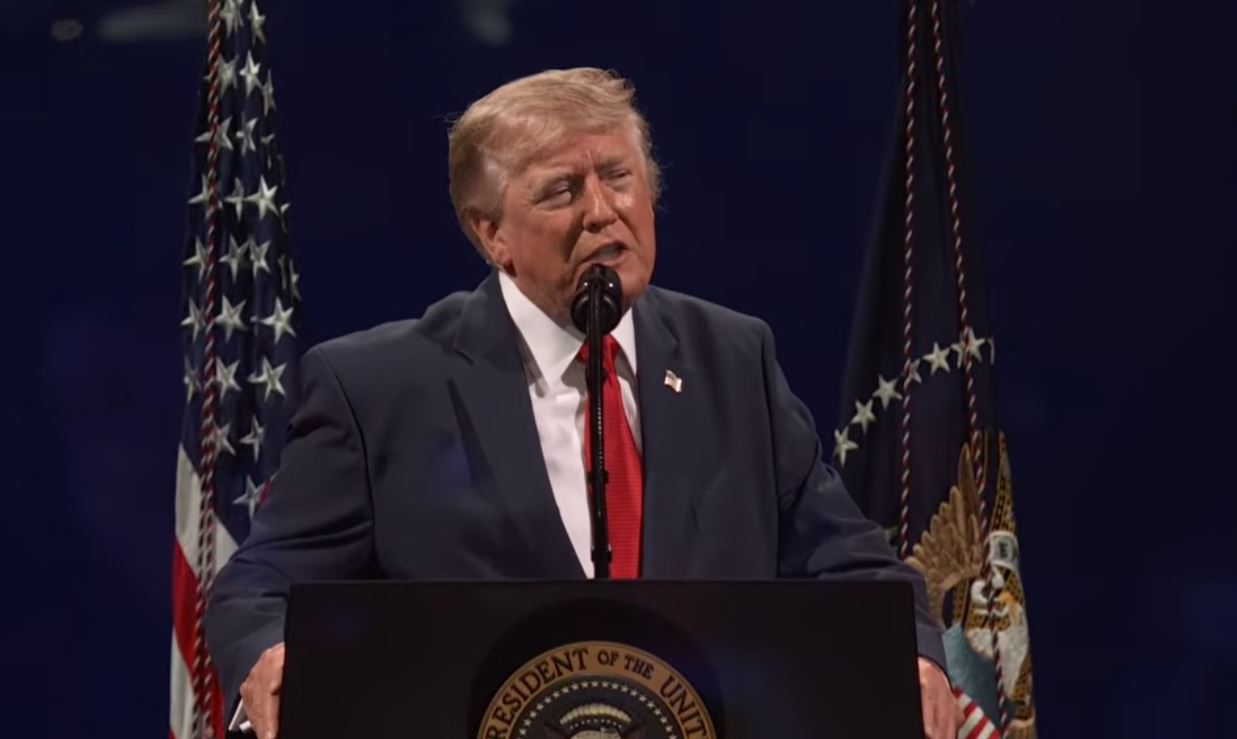
“The story was knowingly FAKE and, in a certain way, you can say that those Media Outlets that generated it should be brought up on Charges for TREASON for the dissemination of false information!” President Donald Trump noted on Monday, addressing what he called the “Disinformation weapon” of Iran: AI-generated videos and online propaganda.
And, because the U.S. Central Command has confirmed this week the destruction of more than 100 Iranian naval vessels, the rumor about the USS Abraham Lincoln, indeed, seems like an extra-comical claim from online propagandists.
Behind all this online chatter lurks a deeper and darker problem beyond mere informational irritation: how can Americans know what is true?
Confusion and confoundment
While Americans today are living in a world of instantaneous reporting and information, they are also living in an age of deep fakes, AI-generated voices, and overwhelming digital propaganda. It’s easy to react immediately to something shocking, only to realize an hour – or even minutes – later that the content was fake.
Now, amid the fog of war with Iran as Operation Epic Fury continues to play out, propaganda and false narratives are everywhere, disseminated by anyone, anywhere, and at any time.
This type of news cycle online can drive anxiety, panic, and confusion among Americans in the homeland who may be deceived about the situation overseas. What’s the solution to this problem? Discernment and a keen eye for finding the truth.
Stick to the facts
The conflict with Iran has gone kinetic – it’s a hot war. There’s shooting, there’s bombings, and there are deaths. It’s a very real war that is costing very real lives on all sides of the conflict.
“War is hell, and always will be,” Secretary of War Pete Hegseth said recently, when addressing the possibility of increasing casualties for the United States.
So far, the U.S. has lost 13 servicemembers since the onset of the war. These poor souls, lost in the fire and fury of these U.S.-Israeli attacks on Iran, cast a shadow across the nation. Their deaths have darkened the rose-colored glasses many Americans may have cheerily worn in the wake of President Trump’s 2025 inauguration.
And now, in this vexing age of social media warfare, it’s hard to know how much to worry and how much to sit back and wait for the next big news item to drop. It’s easy to panic and assume the worst, but there are a few surefire ways to avoid sinking deep into fear or anxiety over the unknown future of the war.
First, it’s key to pay attention to the hard facts being offered by the U.S. Central Command and the Pentagon. The Secretary of War, CENTCOM Commander Admiral Brad Cooper, and General Dan Caine, Chairman of the Joint Chiefs of Staff, have offered multi-weekly updates for Americans on the situation overseas, with stats on military strikes, movements, and statistics on the continued degradation of Iranian drone and missile defenses.
These facts-based presentations from even-keeled military leaders are reassuring and present a much different picture than the chaotic white noise unspooling on some social media platforms. Plus, it’s a reliable source of information when one considers the amount of foreign propaganda spamming internet timelines.
“[Iran] showed buildings in Tel Aviv burning to the ground, high rises, burning. They showed buildings in Qatar, they showed buildings in Saudi Arabia burning – and they weren’t burning, they weren’t hit! It was all AI, AI-based…that’s the only thing they do well,” President Donald Trump said during a press conference on Monday.
When it comes to the war in Iran – and any major news stories these days – a dose of caution never hurts. Stick to the facts, verify information, and be slow to believe anything you see or hear online unless it is verified by the Department of War or the president himself.
In this new age of information warfare, the Biblical adage, “wars and rumors of wars,” (Matt. 24:6-8) has certainly come to take on an entirely new meaning.
Photo: Adobe Stock