
The rise of the Populist candidate
By Easton Martin | June 26, 2026
Traditional political parties are losing ground to a different kind of political force. Across North America, South America, and Europe, populist candidates are winning elections and gaining major influence, making a statement that the people want more from their leaders.
Populism is not a set ideology like capitalism or socialism. Instead, it is a way of looking at politics that divides society into two main groups: the everyday people and a powerful elite.The core idea is that political power belongs to the citizens, and that current systems have failed to protect that power.
Populist campaigns build on the belief that traditional politicians and media organizations work together to protect their own interests while ignoring the struggles of working families.The rise of these candidates is driven largely by economic pressure and cultural change. Decades of globalization, along with recent high inflation and flat wages, have left many people feeling left behind.
When establishment politicians answer these problems with complex explanations or promises of slow change, voters often look for leaders who offer direct, simple answers.At the same time, a general decline in trust has weakened the institutional barriers that used to keep outsider candidates from winning. Whether a campaign focuses on tightening borders, introducing trade tariffs, returning to traditional values, or changing tax policies, populist candidates succeed because they present political choices in plain terms: the public will versus bureaucratic interference.
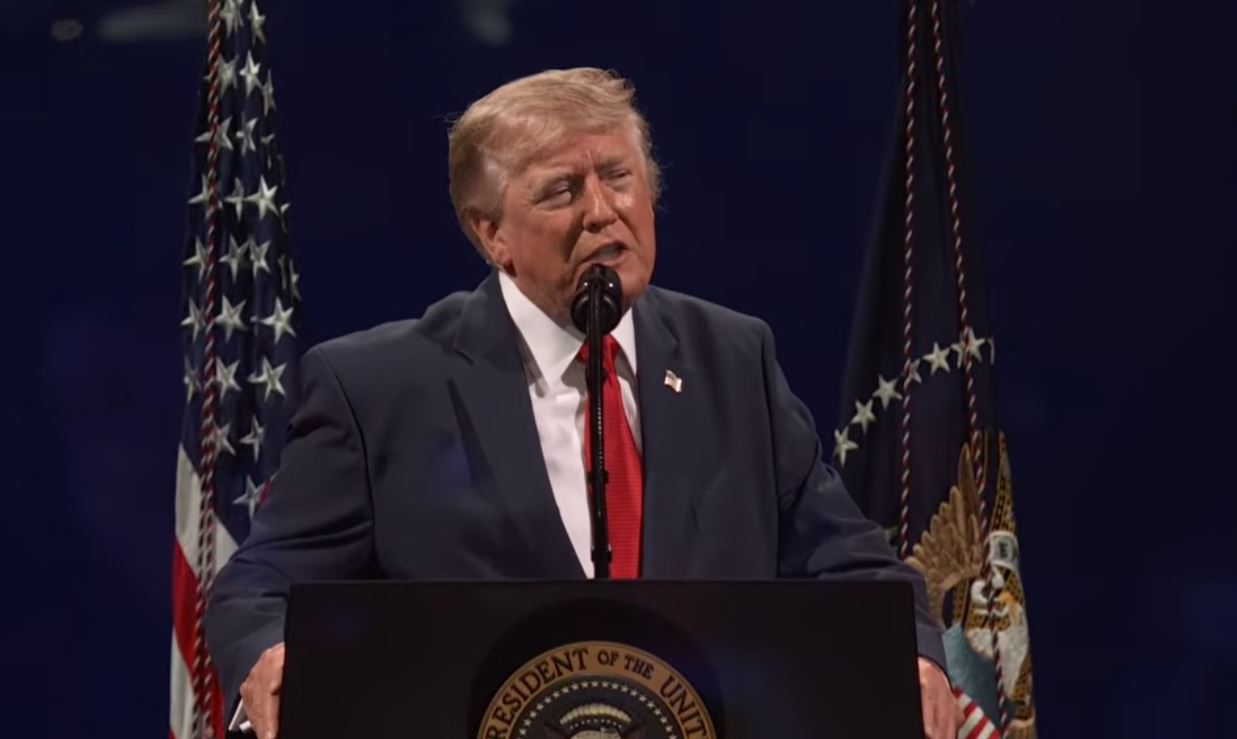
This political movement looks different depending on the country. In the United States, Donald Trump is a primary example of right-wing populism, focusing his platform on highlighting the divide of working-class voters against Washington elites.
In Europe, the trend has picked up significant speed. In France, Marine Le Pen’s National Rally has gained historic legislative power by combining anti-immigration policies with promises to protect French workers. In Germany, the Alternative for Germany has become the country’s second-largest political party by tapping into public frustration over energy costs and migration.
In Latin America, Argentine President Javier Milei shows how populism can combine with free-market ideas. Milei won office by campaigning against what he called the political caste, promising to cut government departments that he argued were draining the country’s money.In the eyes of many voters, this trend is a necessary correction that forces the government to focus on communities that feel forgotten.
On the other hand, some will argue that populist governance can weaken democratic structures by bypassing traditional checks and balances, such as an independent judiciary. However, as long as voters feel that traditional parties are not addressing their primary concerns, the demand for populist leaders is likely to continue.