
Supreme Court rulings settle high-profile cases, with more to come
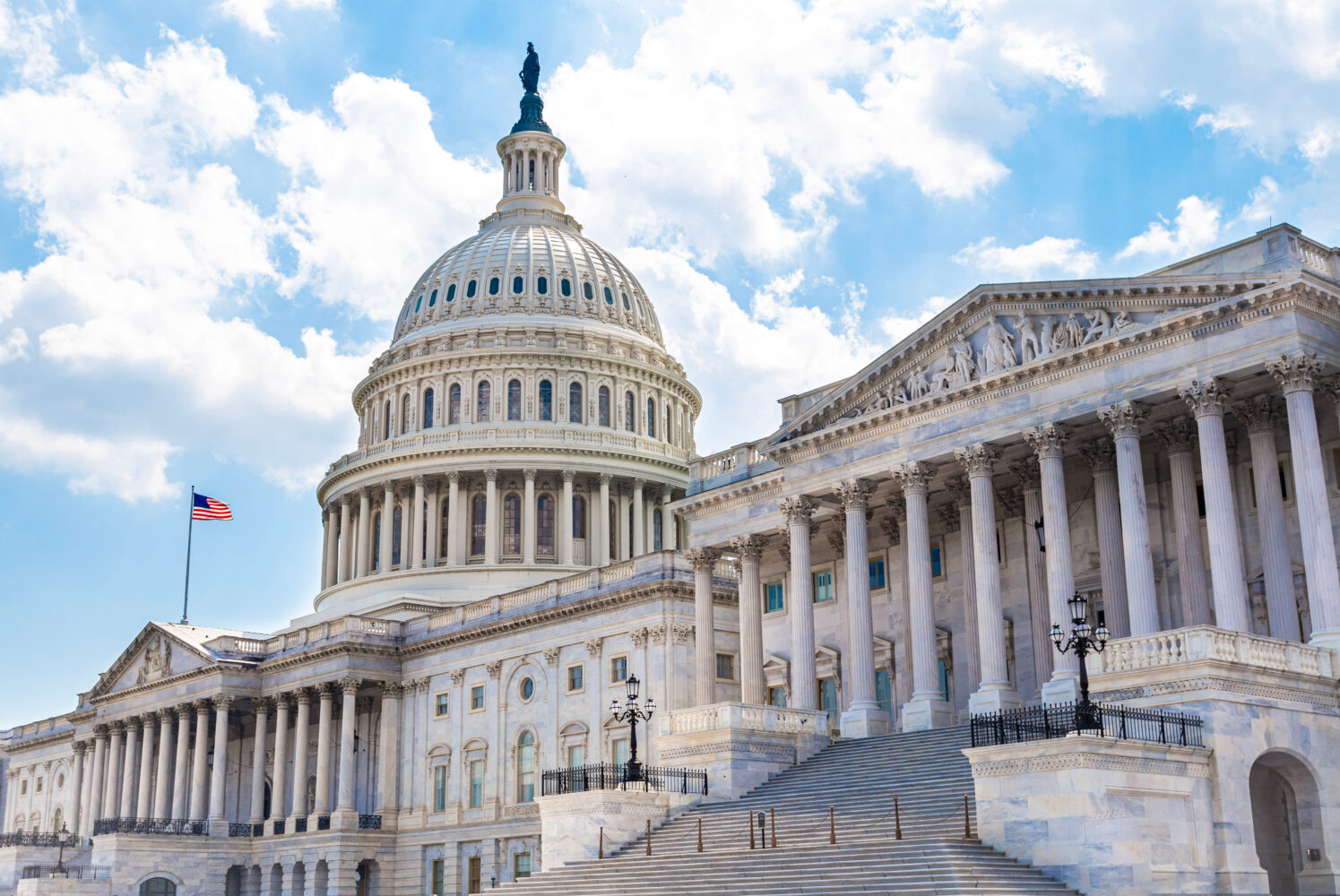
The U.S. Supreme Court has reached the end of its current term, and since last week, it has issued several high-profile opinions on anticipated cases, with likely more to come on Tuesday.
Analysis by Summer Lane | June 29, 2026
The U.S. Supreme Court has indicated that it will announce final opinions on Tuesday, with a few high-profile cases left to be potentially announced.
The opinions issued in the last week have touched on a range of subjects, from liability for pesticide companies to the federal policy of migrant asylum seekers. Here are the most high-profile cases that the court has settled so far, and the few to potentially be announced.
Monsanto v. Durnell
Last week, the Supreme Court justices ruled in favor of the chemical and agribusiness giant Monsanto/Bayer, affirming that the company could not be held liable under state laws for allegedly failing to warn consumers about potential cancer risks associated with using glyphosate (a weed-killing herbicide commonly used in its well-known brand, “Roundup”).
This affirmed the Environmental Protection Agency’s (EPA) status as the sole authority to regulate chemical labels.
Mullin v. Al Otro Lado
The Trump administration enjoyed a win on policy in this case, which upheld an immigration enforcement mechanism that may empower federal authorities to turn away migrants from the U.S. before they cross the physical U.S.-Mexico border.
This affirms a metering policy utilized broadly by the Trump administration during the president’s first term. Amid court proceedings, the Biden administration rescinded federal guidance on this issue in 2021.
SCOTUS ruled in this case that a migrant cannot apply for asylum unless his or her feet are physically on U.S. soil.
Justice Samuel Alito wrote for the majority, “The wisdom of the policy of metering alien arrivals at the southern border is not before us. We decide only that an alien standing in Mexico does not ‘arriv[e] in the United States.’ The INA neither entitles such an alien to apply for asylum nor requires an immigration officer to inspect him.”
Trump v. Slaughter
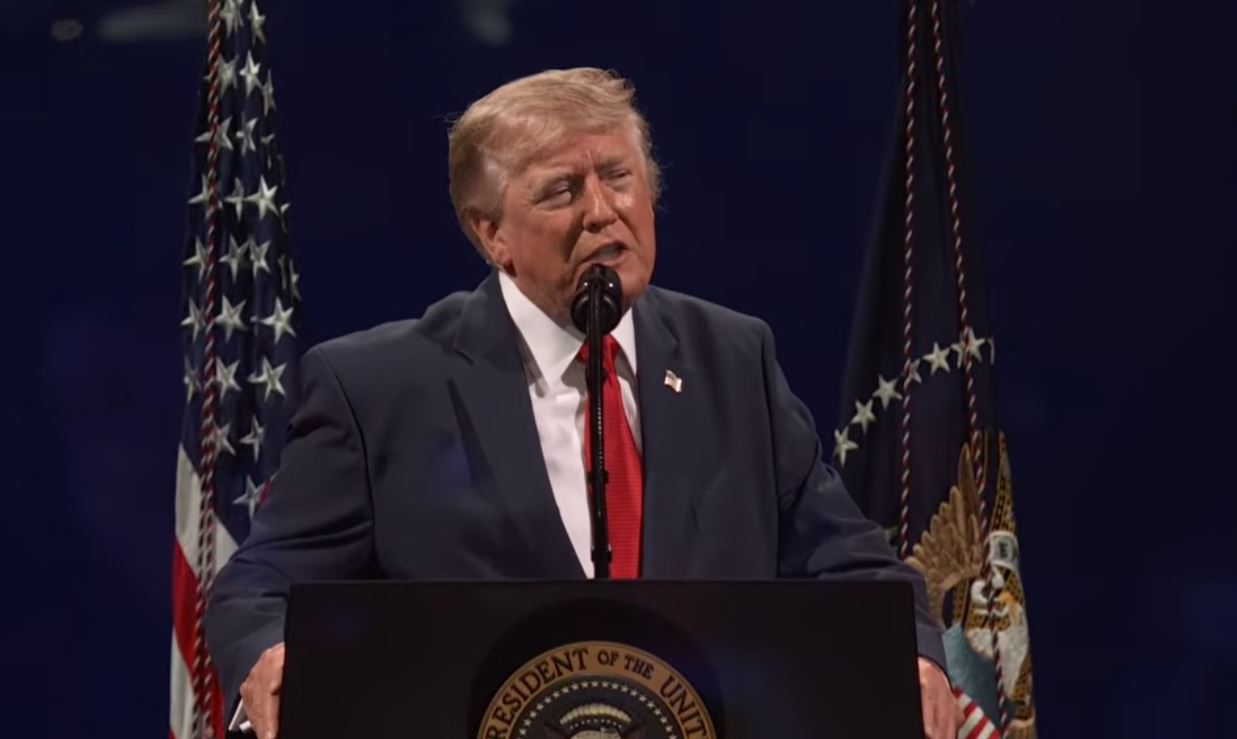
President Donald Trump celebrated a Monday opinion at the Supreme Court, calling it a “BIG WIN” in a Truth Social statement.
The justices ruled 6-3 that the Federal Trade Commission falls under the authority of the Executive Branch and therefore answers to the authority of the President of the United States.
Writing for the majority, Chief Justice John Roberts affirmed, “Although it is up to the Senate to decide whether to confirm those with whom the President would prefer to work, neither Congress nor the courts may saddle him with those with whom he cannot work. Subordinates who exercise the President’s power are subject to removal by him. Then, and only then, can they remain accountable to the President, and the President to the people.”
The ruling significantly expands the president’s power over the FTC.
“This Decision was long sought by United States Presidents, dating all the way back to the 1930s,” President Trump wrote in his statement responding to this decision. “It is such an Honor to be the sitting President who won this Historic and Unprecedented Ruling, one of the most important ever given with respect to Presidential Powers.”
Mullin v. Doe
Thousands of Haitian and Syrian migrants in the United States who enjoy “Temporary Protected Status,” or TPS, may face expulsion following last week’s decision by SCOTUS, which ruled that these individuals are not entitled to TPS amid ongoing immigration litigation.
The decision came after a flood of lawsuits challenged the Department of Homeland Security’s move to strip TPS from various migrant groups. Justice Samuel Alito wrote for the majority, “Viewing all the relevant evidence, we conclude that Miot respondents are unlikely to prove that race was a motivating factor in the decision to terminate Haiti’s TPS designation. It follows that they are not entitled to interim relief on their equal protection claim.”
Watson v. Republican National Committee
The high court ruled on Monday that state laws dictating the receipt of mail-in ballots may stand, ensuring that the practice of counting mail-in ballots well after Election Day is here to stay, barring Congressional action.
As reported by LindellTV, the 5-4 decision from the court upheld a Mississippi election law that allowed ballots to be counted if they are postmarked and received within five days of Election Day. A slate of other states has similar laws.
This ruling is likely seen as a defeat for election integrity advocates who had hoped the Supreme Court would rule in favor of a single election day.
Trump v. Cook
President Donald Trump took a loss on this ruling, which affirmed that Lisa Cook, a member of the Federal Reserve’s Board of Governors, may remain in her role despite his attempt to fire her, at least for the moment.
The court found that Congress has limited the scope of presidential power as it pertains to removing Governors as this separation maintains the independence of the Federal Reserve. According to the Federal Reserve Act, governors may be removed by the president “for cause.”
“Any change in that scheme must come from Congress, not the courts,” wrote Chief Justice John Roberts. “That is why we cannot accept the Government’s contentions in this case. To do so would allow the President to remove a member of the Federal Reserve at any time, for any reason, without any notice before, and without any judicial check after. That would turn for-cause protection into little more than at-will employment.”
What to expect on Tuesday
The court is expected to issue opinions on the topics of birthright citizenship and transgender athletes, according to SCOTUSblog. It’s not guaranteed that the court will release these rulings on Tuesday, but the likelihood is high.
Photo: Adobe Stock