
SCOTUS poised to potentially bring order to mail-in ballot chaos
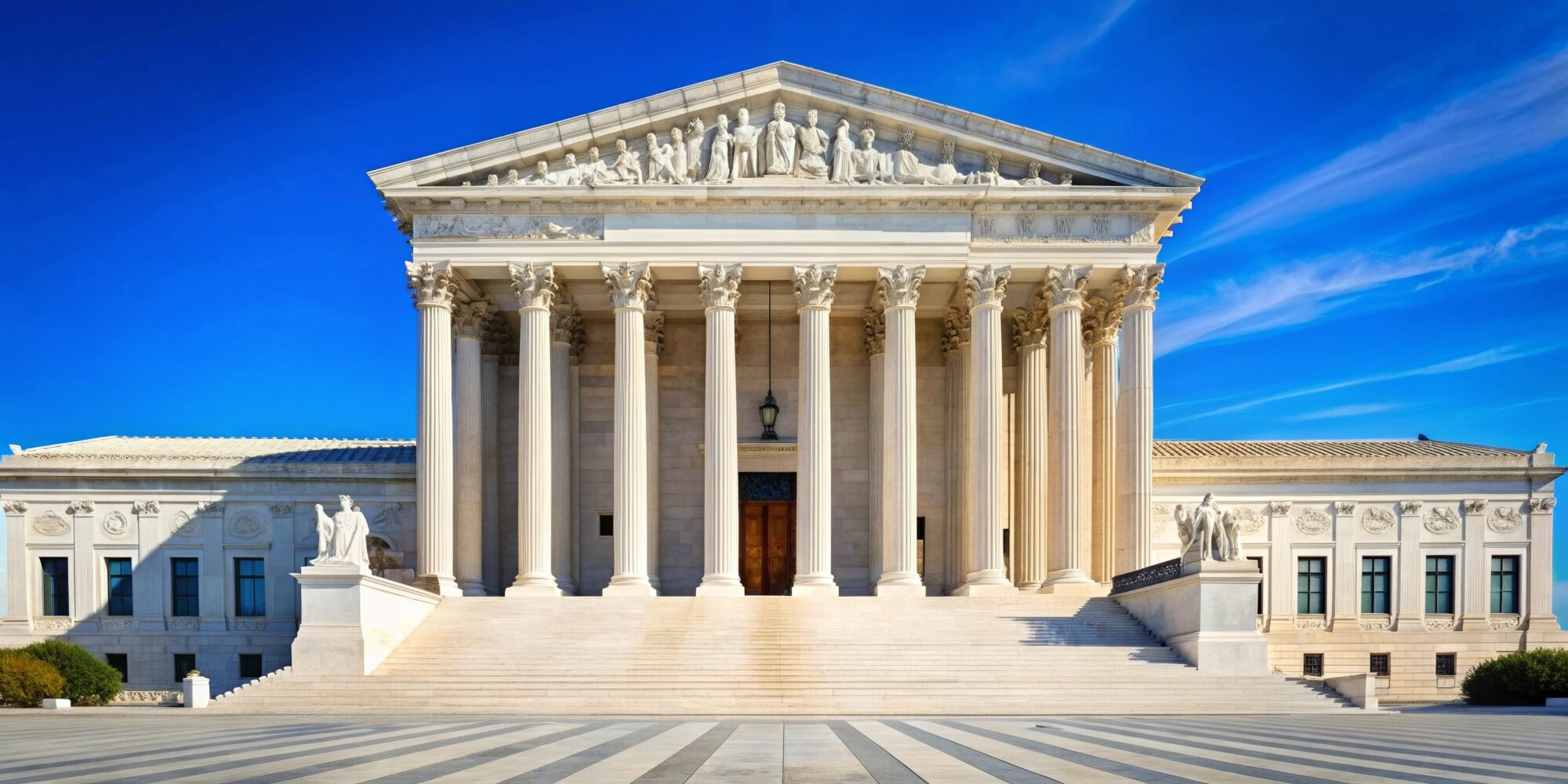
The U.S. Supreme Court is expected to soon release a ruling that could nix extended grace periods for counting late mail-in ballots in U.S. elections – a process that has considerably prolonged Election Day results in several states.
by Summer Lane | June 8, 2026
As California mail-in ballots leave a shadow across the primary election landscape – following days of late ballot drops and endless vote-counting – the nation has turned its eyes to the U.S. Supreme Court, which may be poised to bring order to the chaos of modern election processes.
The case, Watson v. Republican National Committee, is based upon a Mississippi election law that allows mail-in ballots to be counted if they are postmarked by Election Day and received within five business days of that same date, according to SCOTUSblog.
The court heard oral arguments in this case in March 2026, and it is widely expected – although not guaranteed – that the justices will issue a decision on whether such a law can stand by the end of June or July.
If SCOTUS were to strike down the legality of counting mail-in ballots for a grace period after Election Day, it would have serious ramifications for states like California, which universally disburses mail-in ballots to its voters and continues to count alleged votes for a grace period, similar to Mississippi.
Within the scope of the 2026 midterms, the impact of such a decision from SCOTUS could be seismic. Even though a Supreme Court ruling would pertain only to federal elections, it would make it very difficult for officials to have different mail-in ballot rules between state and federal races, particularly if such races overlap. At the very least, it would pressure states to streamline their election processes to match federal guidelines.
This could be good news when one considers what’s going on in places like California.
For example, Republican gubernatorial candidate Steve Hilton was firmly positioned to win the primary election last week – but after days of late mail-in ballots being dumped into the election, Democrat candidate Xavier Becerra miraculously made up ground and surpassed him by a small percentage. And, as of Monday afternoon – six days after the primary election – only 72 percent of the vote in California had been counted, according to The New York Times.
According to the outlet’s data tracker, also as of Monday, only 83 percent of the votes in the Los Angeles mayoral primary had been counted – a long slog that slowly chipped away at newcomer Spencer Pratt’s solid second-place position, which would have sent him to a runoff election against incumbent Mayor Karen Bass. Amid the late mail-in ballot vote-counting, Pratt slipped to third place.
Photo: Adobe Stock