
SCOTUS issues final ruling on mail-in ballots
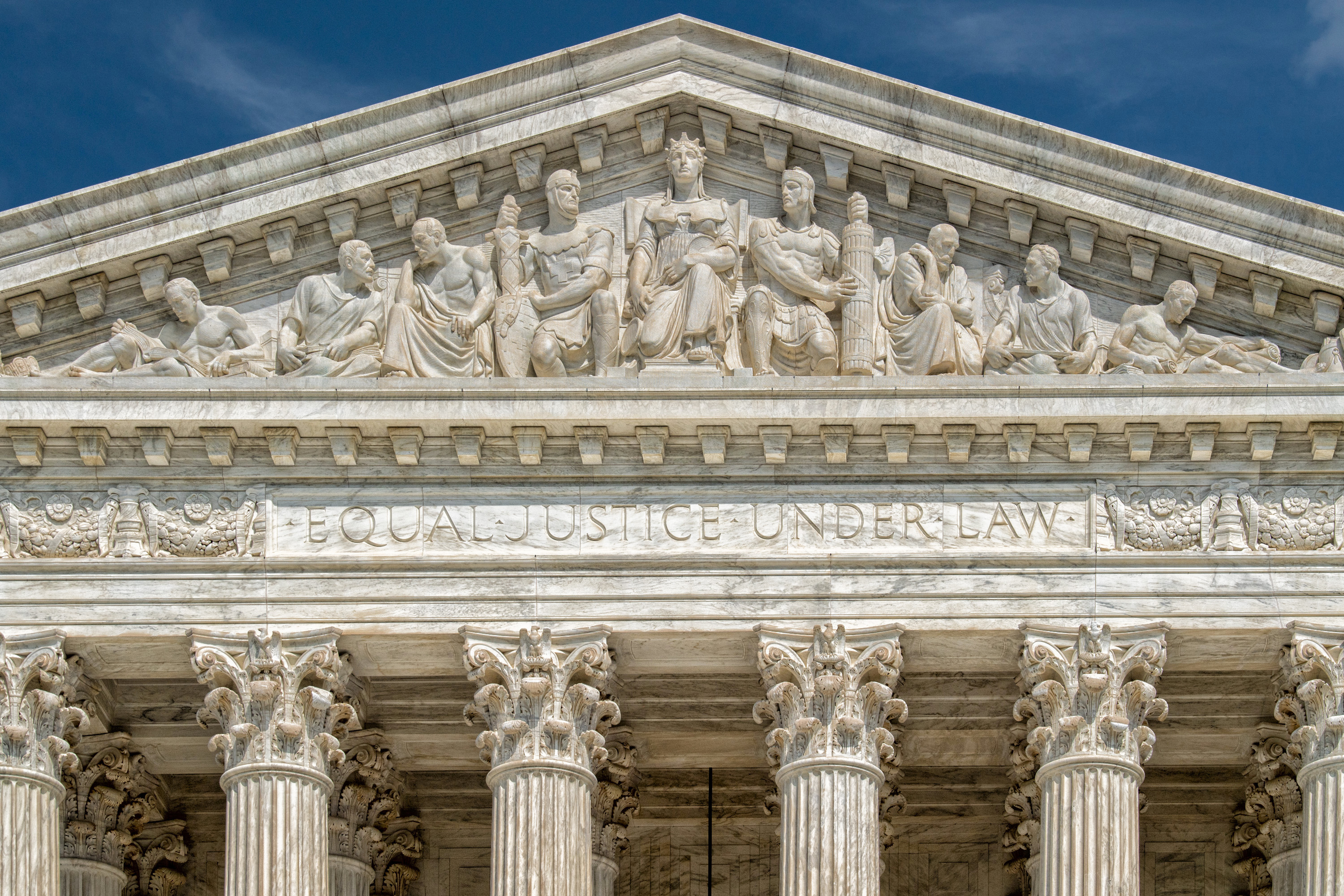
In what may be seen as a blow by election integrity advocates, the U.S. Supreme Court ruled on Monday in favor of Mississippi’s election law that allows mail-in ballots to be counted after election day.
by Summer Lane | June 29, 2026
The U.S. Supreme Court ruled Monday in a 5-4 decision that Mississippi’s election law, which allows mail-in ballots to be counted if they are postmarked and received within five days of Election Day, may stand.
In the anticipated decision for Watson v. Republican National Committee, Justice Amy Coney Barrett delivered the opinion of the court. Writing for the majority, Barrett explained that the scope of the question was relatively “narrow” and focused purely on the timing of counting mail-in ballots.
“The sole question before us is whether counting ballots postmarked by election day, but received up to five days later, violates the federal election-day statutes,” she wrote.
The majority opinion affirmed that while federal statutes provide clarity on “Election Day” definitions, the issue of ballot receipt has remained a silent issue until this point.
Barrett noted, “In sum, the election-day statutes require the electorate’s choice to be made on election day. That occurs so long as election day is the deadline for individuals to vote—as it is in Mississippi. But the election-day statutes do not set a deadline for ballot receipt, so they do not prevent Mississippi from counting ballots postmarked before election day yet received afterward.”
As reported by LindellTV, the Supreme Court heard oral arguments in this case in March 2026. Since then, the issue of counting mail-in ballot votes after Election Day has remained a hot topic, particularly in California, where mail-in ballots were counted for days following the official Election Day primary races.
Unless the U.S. Congress passes legislation that changes the federal laws regarding mail-in ballot receipt, a hefty handful of states will continue receiving and counting these ballots after Election Day, including at least eight states that engage in “universal mail-in voting.”
California, for example, counts ballots up to seven days following Election Day, according to the Office of the California Secretary of State.
In sum, Justice Barrett wrote, “The Framers recognized the difficulty of crafting election laws ‘applicable to every probable change in the situation of the country.’ The Federalist No. 59, at 362. So instead of constitutionalizing election law, they decided that ‘a discretionary power over elections’ needed to be lodged ‘somewhere…’ Suffice it to say, that power was not lodged in this Court. The election-day statutes say nothing about ballot receipt, and we cannot add to the words Congress chose.”
Photo: Adobe Stock