
OPINION: MAHA may have found its new mission
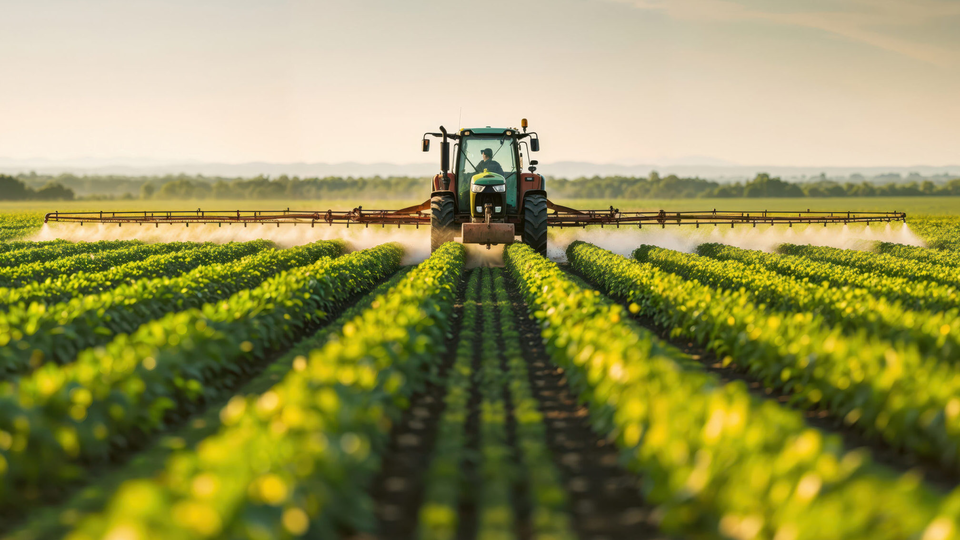
After a ruling at the Supreme Court that favored Monsanto’s weed-killing pesticide, MAHA mourned – but the mission for chemical transparency is far from over.
Opinion-editorial by Summer Lane | June 26, 2026
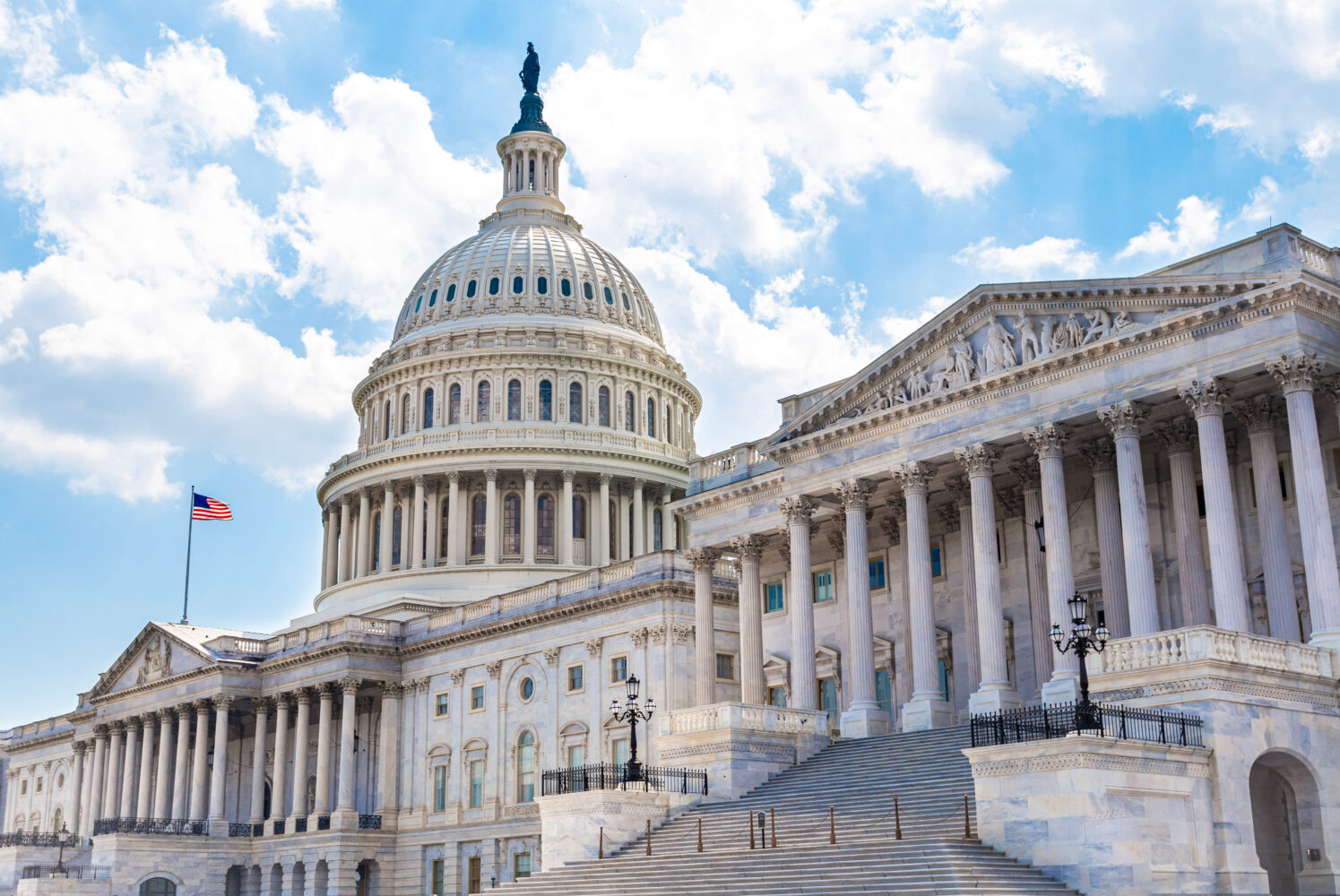
On Thursday, the U.S. Supreme Court ruled that Monsanto does not need to add additional warning labeling to its most popular weed-killer product, “Roundup,” following a lawsuit from a Missouri plaintiff.
The 7-2 ruling, in which Justices Ketanji Jackson and Neil Gorsuch dissented, broadly established that the Environmental Protection Agency (EPA) has the authority to determine what warning labels must be included in pesticide sales.
In other words, federal authority supersedes the state’s authority in this case and protects pesticide manufacturers from being sued under state law on this issue. Monsanto/Bayer cannot be required, per the ruling, to require additional labeling outside of what the EPA has already mandated.
For many proponents of the “Make America Healthy Again” (MAHA) movement, this ruling seemed like a serious setback. Many people have alleged that Roundup’s base ingredient, glyphosate, could contribute to the development of cancer; indeed, this was the main allegation of the Supreme Court case, brought by plaintiff John Durnell, who claimed that the Roundup product did not properly warn him of potential cancer risks associated with using the pesticide. Durnell had developed non-Hodgkin’s lymphoma.
However, the EPA has determined otherwise. Justice Brett Kavanaugh, in writing for the majority opinion, noted: “As relevant here, EPA regulates Roundup, a glyphosate-based pesticide manufactured by Monsanto. Because EPA has repeatedly concluded that glyphosate is not likely to cause cancer, the agency has not required a cancer warning on Roundup’s label. Importantly, EPA’s regulations require a pesticide manufacturer such as Monsanto to use the EPA-approved pesticide label—here, the Roundup label without a cancer warning—unless and until EPA approves or requires a different label.”
MAHA reacts
By ruling that Monsanto (acquired by Bayer) did not have to provide this extra labeling, it preempted an avalanche of litigation against the company via suits making similar claims to Durnell. In a statement issued by Bayer following the ruling, it acknowledged this development.
“It should help significantly contain the Roundup™ litigation after nearly a decade of legal battles,” the company stated. “The ruling should result in the dismissal of current warning-based claims and bar future failure-to-warn claims.”
The court’s decision has elicited intense responses from health advocates. “The message from this ruling is dangerous: if a federal agency approves a product, manufacturers may be shielded from accountability even when people are harmed,” Vani Hari, the founder of “Food Babe” and “Truvani” posted on X.
Advocacy group “Moms Across America” argued, “The Supreme Court ruling in favor of Monsanto, as recommended by this administration, is a disastrous blow to the legal side of corporate accountability and safety.”
Outgoing Congressman Thomas Massie (R-Ky.) said that even if the court’s legal reasoning was sound on this ruling, it was still a “blatant travesty of justice.”
Actor and outspoken comedian Rob Schneider dramatically posited that in light of this ruling, Big Pharma “can continue POISONING AMERICANS with FULL immunity.”
While these reactions are highly heated, the reality seems obvious: if state laws cannot require more transparent labeling on certain pesticide products, but the EPA alone can, why not simply push for more reform at the EPA?
The path ahead?
Following SCOTUS’s decision on Thursday, Rep. Anna Paulina Luna, R-Fla., a known MAHA ally, vowed to draft new legislation targeting pesticide companies.
“After today’s Supreme Court ruling in favor of Monsanto I will officially be introducing legislation stripping pesticide companies of any liability protections for the harm their products cause the American people,” she declared on X.
Luna continued, “These companies purposefully omit labeling information knowing their products cause cancer and other health problems. It is time they are held accountable. Enough is enough.”
The issue seems to truly lie in the fact that most MAHA advocates do not appear to trust the EPA’s determination that glyphosate is “unlikely to be a human carcinogen,” and feel that the EPA is not doing enough to force pesticide companies to be more informative in their labeling.
For its part, the EPA argues on its website: “EPA did not agree with the International Agency for Research on Cancer (IARC) conclusion that glyphosate is ‘probably carcinogenic to humans.’ EPA considered a significantly more extensive and relevant dataset than the International Agency on the Research for Cancer (IARC).”
MAHA may be disappointed with the Supreme Court ruling, but there are others who argue that it was necessary to protect the key products that keep the agricultural industry booming.
“These products are essential to defending our food, fiber, and fuel supply from the pests and weeds that would otherwise devastate yields and drive up costs for every American,” argued Republican Sen. Cindy Hyde-Smith (Miss.). “I’m glad the Court upheld this standard that gives farmers more certainty while feeding, clothing, and fueling our nation.”
Certainly, agricultural companies that depend on easy-to-access weed-killing pesticides may be pleased with this ruling, even as MAHA advocates decry it.
However, it seems unlikely that any progress will be made for MAHA when it comes to going after pesticide companies over warning labels, now that SCOTUS has made its opinion clear.
It seems much more likely that MAHA would make a bigger difference by focusing its efforts on reforming the EPA if they do not trust the regulatory agency.
Photo: Adobe Stock