
Oil prices are dropping: how long until Americans see relief at the pump?
Oil prices tumbled to around $74 per barrel as of Wednesday, as a preliminary agreement with Iran has reopened the Strait of Hormuz. How long could it take for Americans to see relief at the gas pump?
Opinion-Analysis by Summer Lane | June 24, 2026
The United States’ tenuous but preliminary deal with the Islamic Republic of Iran has thus far yielded positive results for the world: the U.S. Naval blockade has been carefully lifted (although ships remain nearby, according to the president), Iran has been granted a license to sell its crude, and peace talks in Switzerland this week seemed to strike a rosier tone.
Amid these developments, the most credible threat to reaching a long-term peace deal with Iran is the conflict between Israel and Lebanon – an ongoing hotbed of violence that has become a sticking point for both the United States and Iran.
Despite all this, the markets seemed to have regained cautious optimism, but recovery — dependent upon whether long-term peace can be achieved with Iran — will likely be quite slow.
Gas prices and oil markets
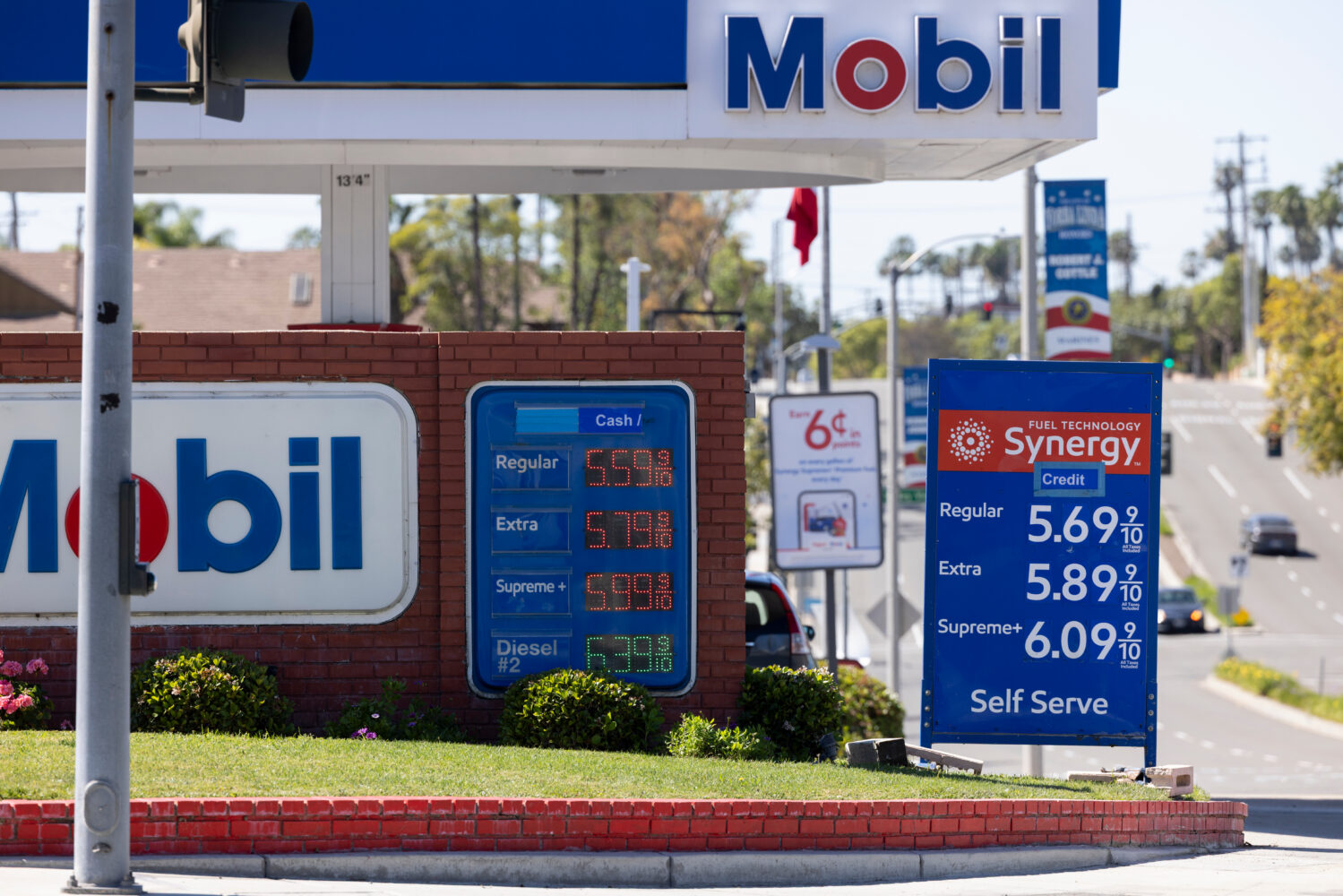
In California, a local news station, ABC30 Action News, ran a segment noting that “Fresno-area gas prices remain high despite recent dip as Iran talks continue.” The posture of the reporting seemed to suggest that gas prices at the pump could immediately drop upon the fluidity of the oil markets this week – but that’s simply not the case.
The closure of the Strait of Hormuz throughout the war with Iran wreaked serious havoc upon the oil and energy markets. This damage is here to stay for a long time, even if talks with Iran continue progressing and the Strait remains open from this point and doesn’t experience another closure.
“78 WEEKS,” wrote Patrick De Haan, the head of petroleum analysis at Gas Buddy, in mid-May.
He continued, “[T]he estimate that I continue to loosely give is that for every day of the Strait being closed, it may take a week to fully recover- we’re now at 78 days- so ~78 weeks would put us roughly at November, 2027 to see global oil inventories fully recover.”
To put this in perspective, the Strait of Hormuz was closed for more than 100 days. The shipping corridor, although open, remains highly volatile, and while marine traffic has begun transiting through the sea route, it’s much slower than its pre-war levels.
The movement is good news, but the reality remains: recovering will take time.
In April, U.S. Energy Secretary Chris Wright said that the price of gas could remain elevated above $3 per gallon into 2027, MoneyWise reported. This was a claim that President Trump almost immediately refuted, although he noted in comments to The Hill that gas prices would simply drop when the war with Iran ended – an ambiguous statement, to say the least.
The war is not “officially” over until a final deal is signed between the U.S. and Iran. It is also not over until the conflict between Israel and Lebanon is successfully ended. And even if it were, analysts seem to be suggesting that a full recovery in gas prices could take months.
Trump points to ‘big Oil’ for price gouging
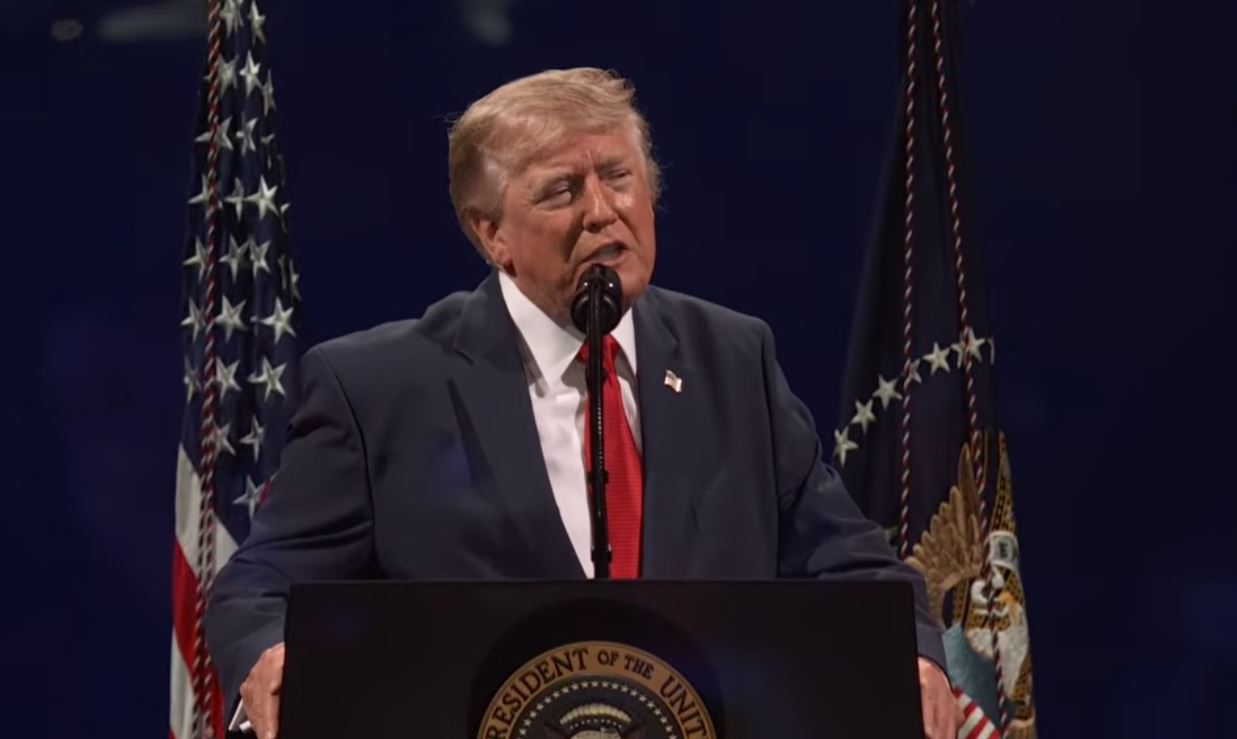
President Trump on Tuesday evening suggested that oil companies were refusing to drop their prices at the pumps.
“The big Oil Companies are not dropping their price at the pump commensurate with the sharply lower prices they are paying for Oil,” he said on Truth Social.
The president continued, “Those prices are dropping like a rock! In other words, customers are being ‘gouged.’ I have instructed the DOJ to immediately start looking into this. Gasoline prices better start going down a lot faster than what I’m seeing!”
President Trump seems to be making the argument that driving gas prices down can happen as quickly as crashing the oil market. However, there are some barriers here, including the significantly diminished supply in the Strategic Petroleum Reserve (SPR). The SPR has been drained throughout the crisis with Iran, as the Trump administration has worked to stabilize gas prices for Americans amid the war.
Refilling the SPR will be a top priority, and it may be one of the main reasons why President Trump and the U.S. Treasury Department issued a 60-day temporary license allowing Iran to sell crude (even to the U.S.).
Even with oil reserves accessible to the U.S. now in Venezuela, transporting and processing the crude from South America takes time. Remarkably, the United States has become the world’s largest exporter of crude oil, per Reuters, and while it may seem like that oil should benefit Americans, it’s the oil companies who really control this flow.
Hence, President Trump’s public pressure on oil companies to prioritize American needs. However, it seems unlikely that oil companies will change course, as global demand has skyrocketed, driving up their profits amid the crisis.
A final timeline on recovery?
It’s impossible to say what will happen in negotiations with Iran; whether the Strait will stay open, whether the ceasefire will hold, whether Israel and Lebanon will stop fighting, and whether a final deal can make it over the finish line.
It does appear, however, that even if peace holds, it will be months before genuine, long-term relief at the pump is seen. If President Trump can find a way to expedite that process, that’s fantastic – but until then, getting back to the status quo will take time.
Photo: Adobe Stock