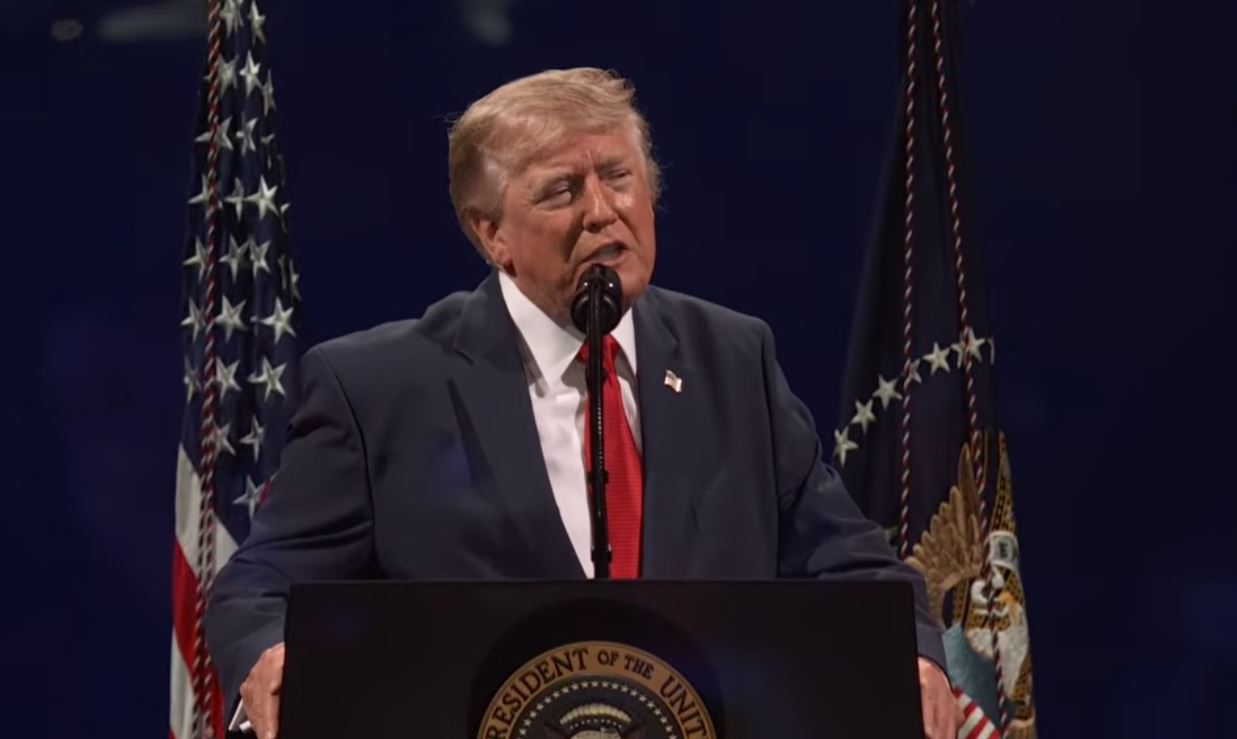

Iran ceasefire is ‘OVER,’ according to President Trump. What happens now?
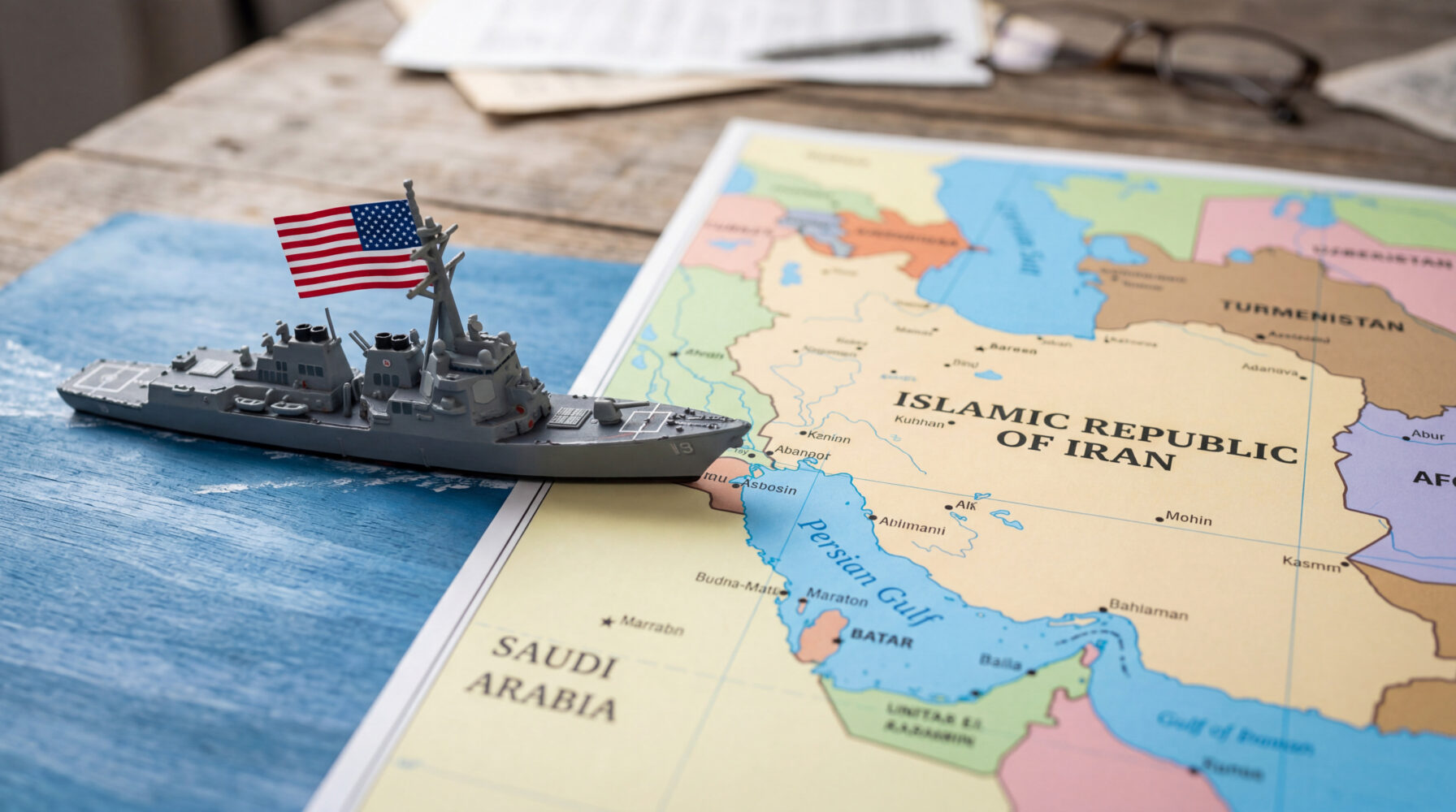
Americans enjoyed a bit of a reprieve from wartime news over the Fourth of July weekend, but it appears that the war is back on…or at least very close to it. What could happen now?
Opinion-analysis by Summer Lane | July 3, 2026
It’s hard to believe that just last month, the U.S. and Iran entered into a 60-day preliminary agreement that, while fragile, seemed likely to breed a long-term deal that could end future hostilities.
Now, amid days of back-and-forth, reported Iranian attacks on civilian vessels in the Strait of Hormuz, and retributive strikes by U.S. forces, one thing is clear: the ceasefire has not brought a cessation to the violence.
“The Islamic Republic of Iran has asked us to continue ‘talks,’” President Trump announced Friday morning.
He continued, “We have agreed to do so, but the United States has stated to them, in no uncertain terms, that the Cease Fire is OVER! Thank you for your attention to this matter.”
If the ceasefire is over, does that mean the preliminary 60-day framework is also officially over? It’s hard to say, but it seems as if the U.S. and Iran are starting all over again on negotiations.
The president’s harsh comments about Iran
This week, during a NATO summit in Turkey, President Trump voiced his very apparent frustration with Iran while speaking with the press. “To me, I think it’s over,” he said of the ceasefire. “I don’t want to deal with them anymore. They’re scum… They’re led by sick people.”
The president said that U.S. negotiators were wasting their time “dealing with” Iran.
And, perhaps most tellingly, at the conclusion of the NATO summit, President Trump said that his perspective on Iran had changed as he “got to know them.”
“We can play games,” he remarked. “But I’m not sure I want to make a deal. Let’s just finish the job.”
The remarks were significantly less rosy than just a few weeks ago.
Energy markets may react sharply to Middle East violence
The U.S. Central Command completed two rounds of major attacks against Iran this week, hitting 80 targets during the first wave and 90 during the second. This comes amid what appeared to be the beginning of a recovery in the energy markets – short-lived, to say the least.
According to the International Energy Association, prices at the pump for both gasoline and diesel were up by about 50 percent from pre-war levels in mid-May. Prices, of course, began to drop once a preliminary ceasefire agreement with Iran was signed in June.
As of Friday, crude oil was selling at about $72 per barrel, and remains on track for a 5 percent gain amid the reignited violence between the U.S. and Iran, according to available data.
When energy prices climb higher, so does the price of everything else. If the war restarts in full, things could remain expensive for quite some time.
Can Iran and the U.S. truly ink a deal?
President Trump’s comments about Iran were bleak. It paints a picture of an administration that is tired of attempting to keep the Strait of Hormuz free and clear – the key sticking point to the entire war. Without an open strait, the world’s energy markets are starved. Strategically, Iran has been extremely smart: they don’t have to wage war directly on U.S. military forces to keep the war going. All they have to do is keep firing at civilian vessels in the strait. It’s a cheap and easy way for them to signal that while they are degraded, they’re not defeated. Not if they can threaten the strait.
The U.S. military has returned each blow from Iran on the strait tenfold. And on that front, no one can argue that U.S. forces aren’t the most lethal and fearsome on the planet. But the strait, despite U.S. military supremacy, remains a tricky geopolitical hotspot.
Will the United States allow Iran a concession on the Strait of Hormuz in exchange for a long-term peace deal? Will the U.S. allow Iran to charge a toll for vessels transiting the route?
“No country is allowed to charge tolls or fees on an international waterway,” Secretary of State Marco Rubio said in June. “…I don’t think we have anybody to convince around here on that regard.”
Will talks really continue?
If the ceasefire is “OVER” as President Trump has said, it’s hard to see how any purported talks with Iran could yield positive results, if only because violence could erupt at any moment. How long will the conflict continue? The estimated original timeline for the war was around four to six weeks, according to the Trump administration, although the Department of War was clear from the outset that the exact timeline was secret.
Regardless, the war has far exceeded that estimation.
“The Iran War has been a tremendous military success,” President Trump told a critical reporter this week in Turkey. “…They want to make a deal, but they don’t know how to make a deal, and then they go around shooting ships at night. I don’t like that.”
He described the Iranian regime as “a little loco.”
If anyone can pull off an impossible deal with the Iranian regime, it’s President Trump. There is no question about American military capabilities or superiority. The men and women of the U.S. Armed Forces are the best in the world.
The question that remains, then, is what will it take to bring the war to an end as quickly as possible, in a way that reopens the strait without requiring a long-term American military presence in the region?
That will be the most difficult piece in this very jagged puzzle, and unfortunately, it seems likely that the conflict may drag on for quite some time until it’s solved.
Photo: Adobe Stock