
George Simion Hosts European Economic Forum in Romania, Calls for Economic Renewal Across Europe
By Sierra Knoch | June 17, 2026
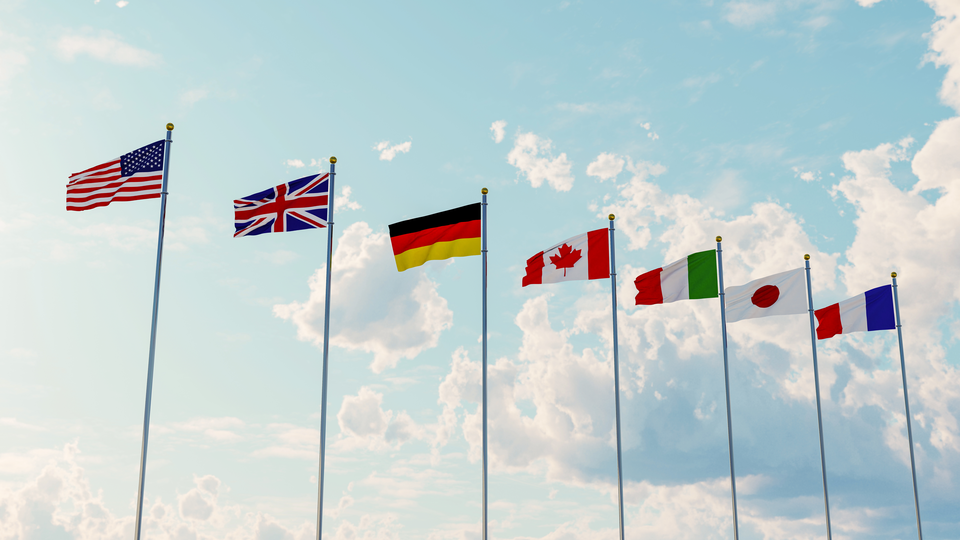
With the G7 Underway the transatlantic relationship is once again in the spotlight
Romanian opposition leader and European Conservatives and Reformists (ECR) Party Vice President George Simion welcomed political leaders, policymakers, entrepreneurs, and conservative thinkers to the European Economic Forum 2026 in Cluj-Napoca, positioning Romania at the center of Europe’s economic future.
The forum preceding the G7 summit in France, was organized as part of the ECR Party’s European Awareness Days initiative, and brought together participants from across the continent to discuss economic competitiveness, national sovereignty, industrial policy, energy security, and the future direction of the European Union. According to organizers, the gathering focused on developing what they described as a realistic vision for Europe’s prosperity based on strong nation-states, economic growth, and strategic independence.
In his powerful keynote address, Simion argued that Europe has lost competitiveness after decades of policies that encouraged deindustrialization and increased dependence on foreign powers for manufacturing, energy, and defense. He warned that the continent faces a critical choice as European nations prepare for a series of important political decisions in the years ahead. He also offered a hopeful vision for the future of Europe, highlighting Romania’s energy capacity and the growing momentum of the European conservative movement. His speech followed U.S. Ambassador Nick Adams, who echoed Trump admin positions on restoring Europe, Adams said that Europe is worth saving. In an exclusive interview, Simion laid out how the ECR party wants to achieve that. Together, US and European leaders who embrace common sense have a limited window during the remainder of Trump’s term to make it happen.
Europe must become a continent that builds again,” Simion told attendees, emphasizing investment in infrastructure, energy production, industrial capacity, and technological innovation as key pillars for future prosperity. He advocated lower taxes, support for entrepreneurs, and policies designed to strengthen domestic industries rather than expand regulatory burdens.
Throughout the forum, discussions centered on concerns that Europe has become overly dependent on external suppliers for critical goods and resources. Speakers argued that economic resilience requires rebuilding manufacturing capacity, securing energy independence, and encouraging innovation within European nations. The event reflected broader conservative concerns about declining productivity and slowing economic growth across parts of the European Union.
Simion also framed the debate as one of sovereignty and self-determination, arguing that economic strength is closely tied to a nation’s ability to protect its interests and maintain democratic accountability. He contended that prosperity cannot be achieved solely through bureaucracy and regulation but must be driven by productive investment and private-sector growth.
The forum’s organizers highlighted the significance of hosting the event in Romania, viewing the country as an increasingly important voice within the European conservative movement. Cluj-Napoca, one of Romania’s leading technology and business centers, served as a backdrop for discussions on entrepreneurship, innovation, and regional development.
The European Economic Forum comes as debates over competitiveness, energy policy, industrial strategy, and economic sovereignty continue to shape political conversations throughout Europe. Participants argued that Europe must pursue policies that strengthen growth while preserving the independence and identity of its member nations.
For Simion, the event represented an opportunity to showcase both Romania’s growing role in European conservative politics and a broader vision for an economically stronger and more self-reliant Europe. As policymakers across the continent grapple with economic uncertainty and geopolitical challenges, the themes discussed in Cluj are likely to remain at the center of Europe’s political debate in the years ahead.