
For decades, Iran has been a global headache – what’s going on?
Is war looming in the Middle East? Whilst pundits and commentators contemplate this question, one thing is certain: war should never be taken lightly, and it’s best to avoid it altogether
Opinion-editorial by Summer Lane | February 23, 2026
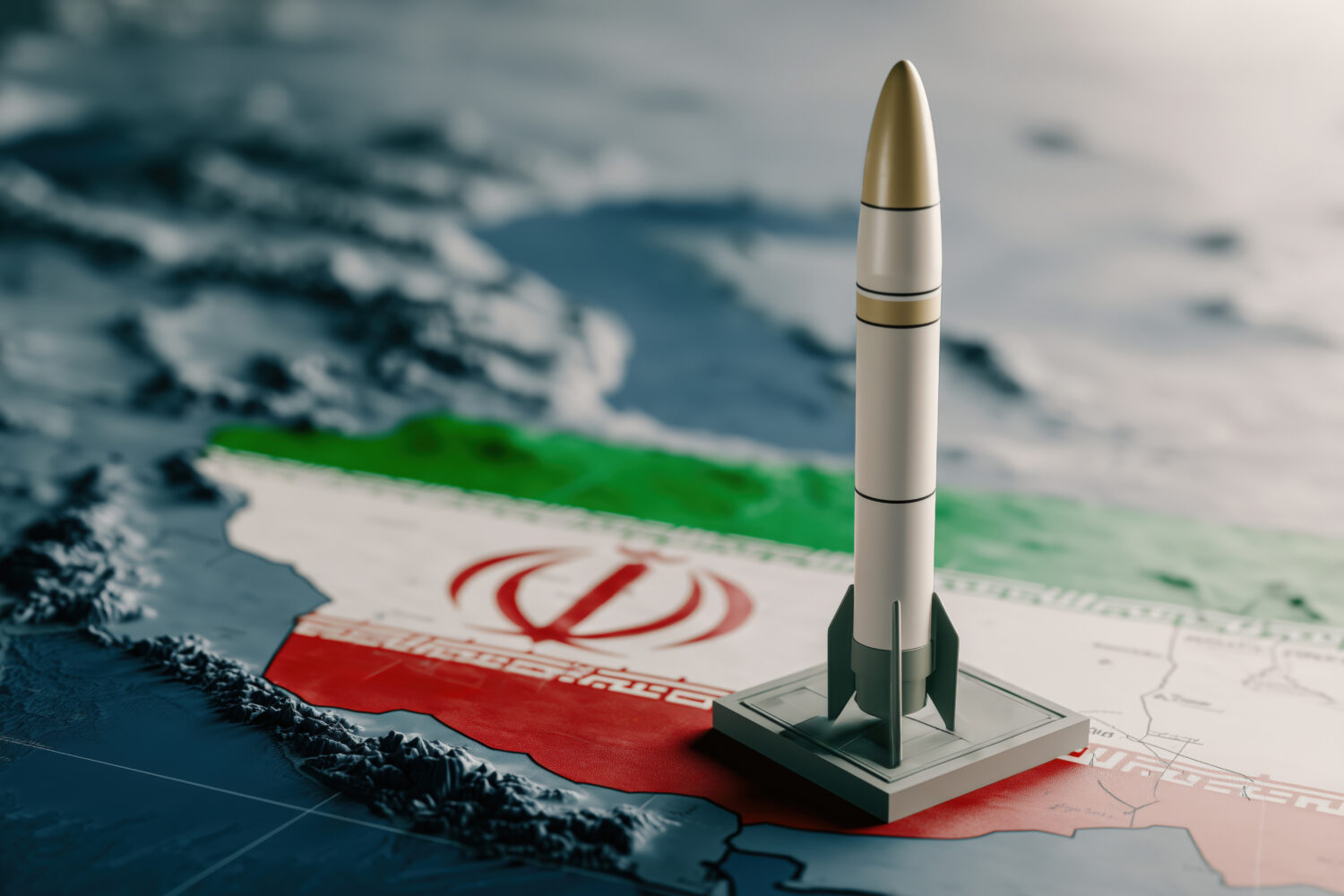
The latest news from the Middle East seems troubling: Special Envoy Steve Witkoff, while speaking on Fox News’ My View with Lara Trump, said over the weekend that Iran was roughly a week away from having enough material to make a nuclear weapon.
This news is alarming, to say the least, especially on the heels of a U.S. military operation last summer that supposedly “obliterated” Iran’s nuclear facilities.
If the narrative that Iran may be on the verge of obtaining a nuclear weapon seems repetitive, you’re not alone. This has been the oft-repeated warning for three decades, and it begs a singular question: Is Iran really that dangerous, and if so, why do they keep obtaining the material they need to build bombs?
Who is helping them? Why is the threat of an Iranian nuclear state a constant global theme?
What’s going on?
The Iranian playbook
Iran has consistently pursued a nuclear program since the 1950s, but it wasn’t until the 90s that the country began working with both China and Russia to boost its nuclear programs, according to the Center for Preventive Action.
This obviously made Iran a far more viable threat on the global stage. Over the past three decades, there have been varying degrees of push-and-pull between Iran, the United States, the United Nations, and many other governments, and the country has been internationally sanctioned to the point of economic collapse.
Per the CPA, Iran is broadly viewed as a state-sponsor of terrorism that funds disruptive terrorist groups across the Middle East, including in places like Gaza.
To add fuel to the fire, Israel and Iran remain perpetually locked in conflict – a seemingly endless, bloody series of air strikes and drone attacks that result in senseless death.
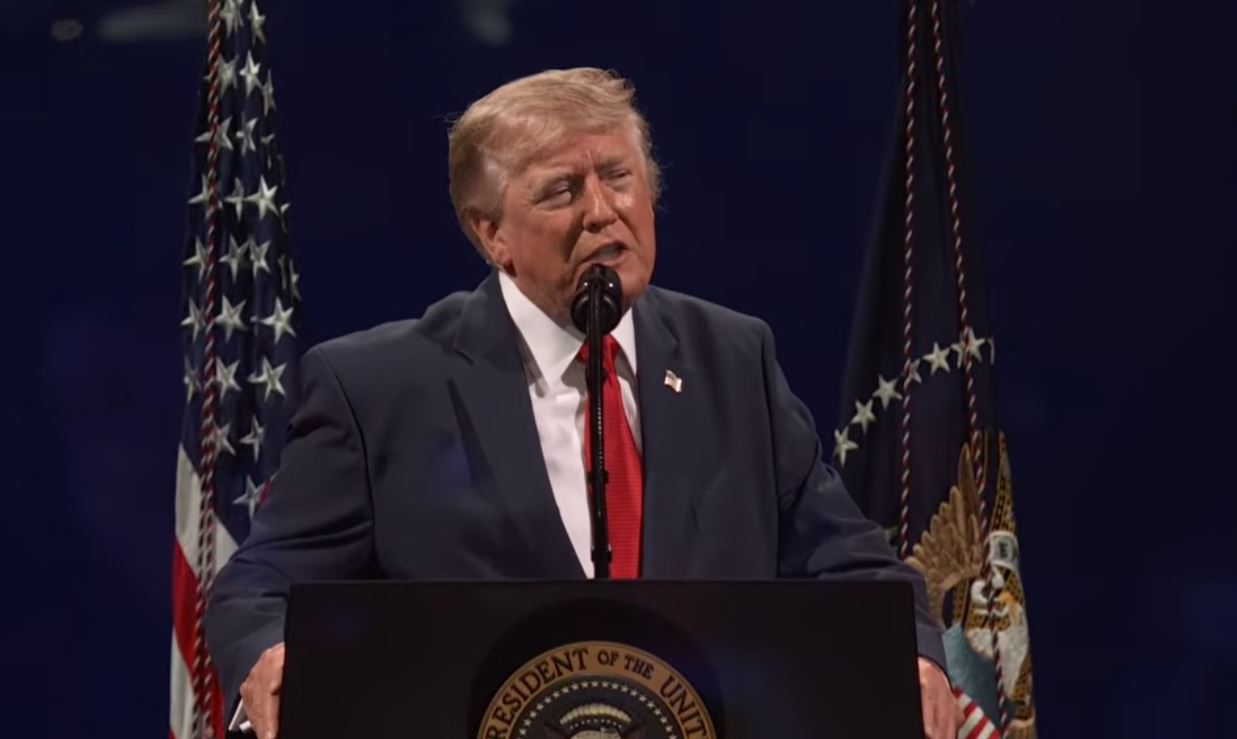
Since retaking the Oval Office in 2025, President Donald Trump has been under intense pressure to neutralize Iran, especially from Israel.
Iran – always an ‘almost’ threat?
Israeli Prime Minister Benjamin Netanyahu visited the White House in February, marking his seventh trip to Washington, D.C. since President Trump retook office last year.
The prime minister’s visit understandably drew speculation about his purpose there, especially amid the U.S.’s already multi-billion-dollar contributions to the Holy Land.
For thirty years, PM Netanyahu has been warning about the threat of nuclear weapons from Iran. According to Al Jazeera, he even advocated for the U.S. invasion of Iraq based on this assumption:
“The sense of imminent threat has repeatedly shaped Netanyahu’s engagement with United States officials. In 2002, he appeared before a US congressional committee, advocating for the invasion of Iraq and suggesting that both Iraq and Iran were racing to obtain nuclear weapons. The US-led invasion of Iraq followed soon after, but no weapons of mass destruction were found.”
Somewhat odiously, the prime minister also warned in late December that Iran could soon, alarmingly, strike United States cities if its missile programs continued to strengthen – noting that even President Donald Trump’s personal home in Florida, Mar-a-Lago, could be within range.
It’s hard to tell if Netanyahu’s comments were simply a fair warning or a thinly-veiled threat – a push for the United States to go to war with Iran, or else.
Regardless, Iran having nuclear weapons certainly isn’t a good thing, and that seems to be a sentiment that most Americans can agree on.
According to the Council on Foreign Relations, Iran does not have a nuclear weapon yet. Then again, that has been the message for decades. Iran is perpetually almost nuclearized. If this is true, the question must be this: Who is arming Iran? And who stands to benefit the most if the United States becomes embroiled in a Middle Eastern war centered around Iran and Israel?
Certainly, war in the Middle East has proven to be catastrophic for the United States. For decades, American soldiers shed their blood in the hot desert regions of Iraq or Afghanistan, and for what?
Weapons of mass destruction that were never found? Forced regime change that resulted in more chaos?
It’s a difficult pill to swallow, but these are the questions that must be asked when considering the potential ramifications of engaging in war with Iran.
War should always be the final option. The last option. And anyone advocating otherwise is foolish indeed.
The late Charlie Kirk explained it beautifully when he pointed out the difficulty of forced regime change. “Toppling Saddam Hussein gave us a forever war and ISIS and emboldened Iran,” he wrote in June 2025. “Toppling the Taliban gave us a forever war that ended with the Taliban back in power. Toppling Libya gave us slave markets in Tripoli and a vastly worse European migrant crisis. Regime change wars almost never go the way they’re expected to, and can easily make things far worse at tremendous cost. That’s exactly why war should only be a last resort, when absolutely necessary.”
Iran may indeed be close to developing a nuclear weapon. If so, and the United States is spurred to take action, hopefully, that action will be concise, surgical, and very short-lived. The last thing America needs is another war, and President Donald Trump, as one of the best proponents of peace through strength in the last century, knows this better than anyone.
Americans can confidently bet that he will pursue the most peaceful options strongly, and with priority, and they can pray privately that he is successful.
Photo: Adobe Stock