CPAC: European voices and the future of NATO
By Sierra Clair | April 1, 2026
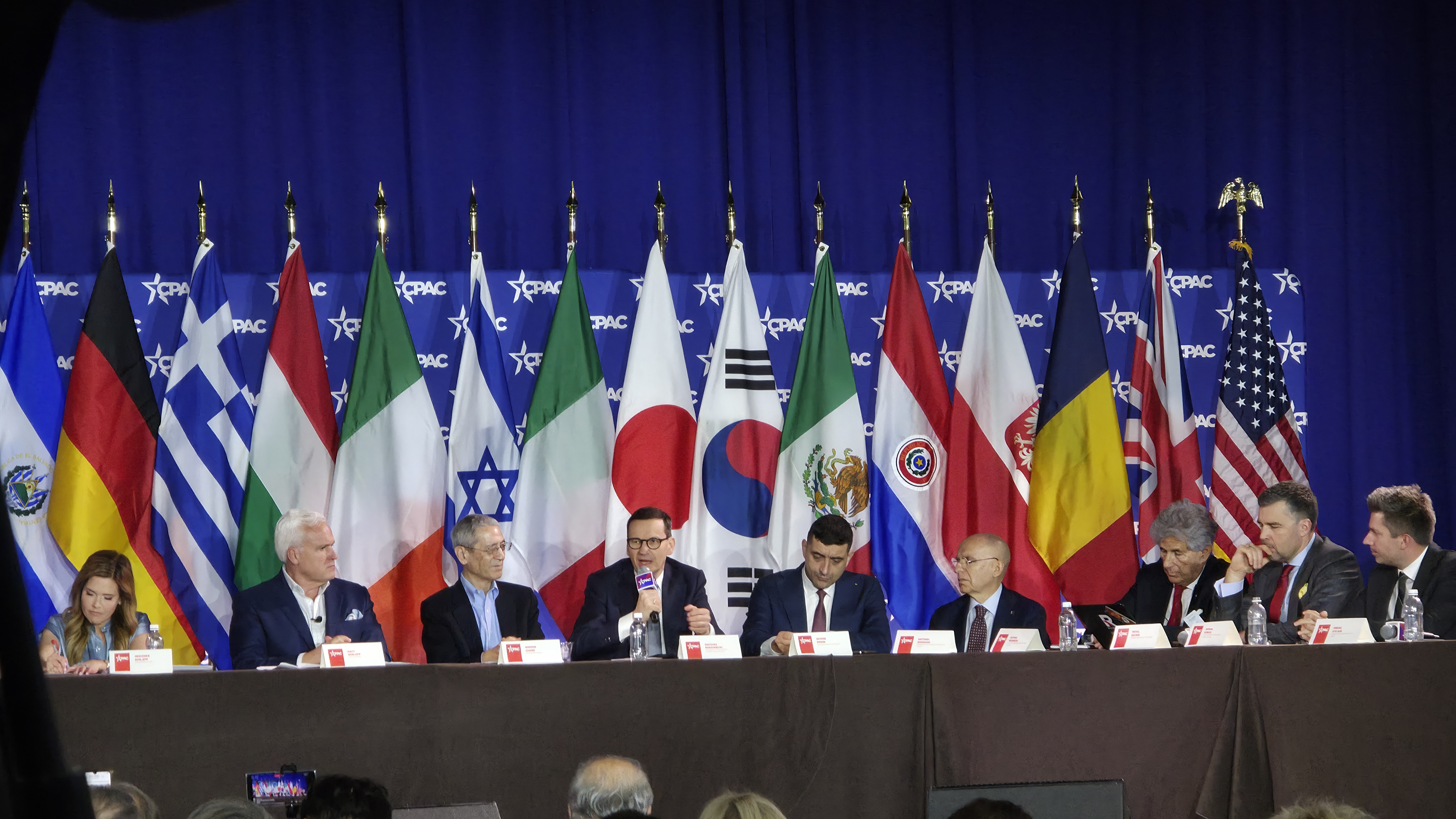
At the 2026 CPAC International Summit in Texas, one theme cut through the speeches and side conversations with unmistakable clarity: the future of the NATO alliance. While Western Europe debates “strategic autonomy” and flirtations with an EU army, reform voices from the East delivered a different message—one rooted in hard-won experience under communism and a clear-eyed appreciation for American leadership.
In an exclusive one-on-one interview following powerful addresses by former heads of state from the UK, Poland, and other reform-minded leaders, LindellTV sat down with George Simion, former Romanian presidential candidate, member of the Romanian Parliament, and leader of the Alliance for the Union of Romanians (AUR). His insights into bureaucratic abuses of power, energy security, and the Russia-Ukraine conflict revealed deep common ground between American conservatives and Eastern European partners—while highlighting why nations like Romania see NATO not as a costly relic, but as a vital guarantor of freedom and sovereignty.
NATO: The Eastern Flank’s Lifeline
For Simion and fellow reformists from former communist states, NATO is non-negotiable. Romania, like Poland and the Baltic nations, sacrificed greatly to join the alliance after escaping Soviet domination. They invested heavily in defense modernization and continue to shoulder a significant burden.
In our conversation and in his broader public statements, Simion has been unequivocal: “For us, being a member of NATO is vital. He envisions Romania, alongside Poland and the Baltics, as the strong eastern flank of the alliance—ready to invest even more to strengthen collective defense.
As Simion has noted, Russia may lack the capacity to pose an existential military threat to the world’s strongest alliance, but internal divisions and reduced American commitment could create dangerous vulnerabilities on the eastern front.
The message from CPAC’s European reform voices was clear: NATO works best under continued strong U.S. leadership. European nations should meet their spending commitments—not as a favor to America, but as a matter of their own survival and self-respect.
Independence from EU Bureaucracy
A recurring thread throughout the summit—and in my interview with Simion—was the distinction between valuable alliances and stifling supranational control. Reformists expressed strong support for NATO as a defensive military pact while voicing deep skepticism toward the European Union’s expanding bureaucratic apparatus.
Simion describes himself as a “Euro-realist”: in favor of EU membership for economic and practical reasons, but firmly opposed to a Europe of “one overarching bloc” dominated by unelected officials in Brussels. He and other Eastern voices highlighted how EU regulations often undermine national sovereignty, energy security, and economic common sense—issues that resonate strongly with American audiences tired of federal overreach.
Energy security emerged as a particularly urgent concern. Former communist states remember the weaponization of energy supplies all too well. Reformists including Liz Truss former UK PM and others advocate for diversified, realistic energy policies that prioritize affordability and
independence over ideological green mandates that leave nations vulnerable—especially in the context of the ongoing Russia-Ukraine conflict.
Shared Challenges: Bureaucracy, Energy, and Ukraine
Simion’s remarks illuminated common struggles facing the United States and Eastern Europe. Both regions grapple with bureaucratic elites who prioritize supranational agendas over the needs of ordinary citizens. In Romania and across the former Eastern Bloc, the memory of communist central planning makes voters especially sensitive to top-down control—whether from Moscow in the past or Brussels today.
On the Russia-Ukraine war, Simion offered a pragmatic view grounded in regional realities. While condemning aggression, he expressed that there is nuance to the threat Russia poses to the EU and there is responsibility for EU leaders and even past US Presidents who let the Russia threat grow unchecked. Like many reform voices, he looks to U.S. leadership—particularly the peace-oriented mandate that brought Donald Trump back to the White House—for realistic solutions rather than perpetual conflict.
This Eastern perspective adds valuable nuance to transatlantic debates. Nations on the front lines understand the stakes of security and freedom in ways that distant bureaucracies sometimes overlook. They value NATO’s Article 5 collective defense precisely because they have lived without it.
An Alternative Vision for Transatlantic Partnership
The CPAC International Summit showcased an emerging alliance of reform voices: Americans and European Reformers who want to see a return to strong western style democracies leading on the world stage and an end to global leftist schemes for control and overreach.
George Simion’s interview underscored a powerful truth: support for NATO among Eastern European reformists is not blind allegiance to the status quo. It is a calculated, experience-based commitment to freedom. They want a stronger, more equitable alliance where Europe pulls its weight through higher defense spending and realistic policies, while preserving the unique national identities that make the West worth defending.
As Simion and other speakers emphasized, the real danger is not robust transatlantic cooperation—but its erosion through bureaucratic dilution or American fatigue. Romania and its neighbors stand ready to be reliable partners on the eastern flank, provided the alliance remains anchored in shared values of sovereignty, security, and self-reliance.
The conversation at CPAC made one thing abundantly clear: true European reform does not mean abandoning NATO. It means reforming Europe so that NATO—and the freedoms it protects—can endure.