
Brussels vs. Washington: The Digital Euro Vote That Could Deepen the Transatlantic Rift

By Sierra Knoch | June 18, 2026
As the G7 Summit convenes bringing the troubled transatlantic alliance into the spotlight once again, the EU stands on the brink of a momentous decision on the digital euro that sharply diverges from U.S. policy under President Trump. What does this mean for transatlantic relations?
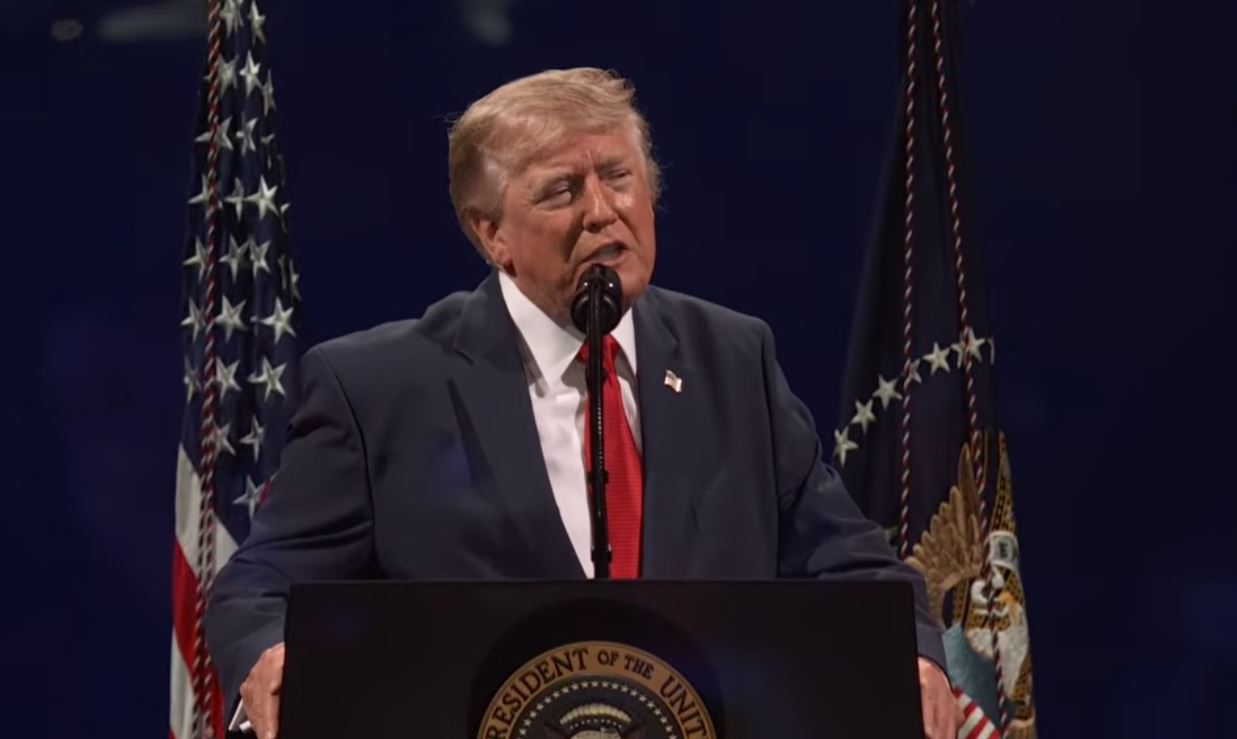
The timing could hardly be more symbolic. As G7 leaders gather to coordinate on global economic challenges, the European Parliament’s ECON Committee is scheduled to vote on June 23, 2026, on the digital euro regulation—the most significant shift in European monetary infrastructure in decades. This comes just as the Trump administration has explicitly rejected central bank digital currencies (CBDCs) via executive order and supporting legislation like the CBDC Anti-Surveillance State Act, framing them as threats to financial freedom and privacy.
Experts have questioned whether the proposed architecture—with its safeguards on holding limits, offline features, and programmability—is the right path. Drawing on ECB statements, historical precedents, and legal analysis, experts warn of risks including weakened legal foundations, absolute central bank control, surveillance potential, security concerns over hacking and data privacy, and irreversibility once deployed. Precedents like Canada’s 2022 account freezes of protesters without court orders raise serious questions about the compatibility of CBDC with free democracies. In contrast with the EU push many democracies are embracing rejections or pauses of CBDC such as in the US, Norway, and UK. In the upcoming vote, the EU risks diverging from these critical financial partners and allies with an irreversible policy that many nations are not on board with. In an exclusive interview at the ECR Party Economic Forum last month, Romanian MEP and ECR Party Leader in the EU Parliament George Piperea (ECR) echoed these concerns. He noted ECB representatives insisting the digital euro “is not actually a CBDC,” yet described it as programmable with features like potential expiration or geographic restrictions—raising proportionality issues under EU law. Piperea stressed cash as “liberty” and “intimacy,” questioned public trust (especially for populations with limited digital access, like in rural Romania), and argued that fighting Visa/Mastercard “monopoly” via antitrust is preferable to a tool enabling heavy restrictions on freedom. He warned some conservative colleagues support it, but emphasized risks of excluding citizens and eroding privacy.
This divergence highlights a philosophical rift. The US position prioritizes individual financial freedom, viewing CBDCs as enabling surveillance and control incompatible with democratic values. Trump’s ban and congressional efforts signal a defense of cash and private money against state overreach. Europe, by contrast, frames the digital euro as enhancing sovereignty against dollar dominance and foreign payment providers, while promising privacy features. Yet critics like Piperea argue the architecture—tied to identity systems and with modifiable rules—risks crossing into programmable money that could exclude dissenters.
For the G7, this creates friction. Alignment on issues like China, security, and trade could be complicated by differing monetary visions. A digital euro advancing despite US rejection might signal Europe doubling down on technocratic centralization, potentially straining trust as well as deepening the security concerns the US already has over weak European infrastructure vulnerable to Chinse hacks. American tourists and businesses—key to European tourism—may hesitate over privacy and usability, as Piperea noted. Broader transatlantic capital flows and tech standards could face new hurdles if one side embraces traceable, controllable digital money while the other bans it.
Polling shows informed European publics opposing retail CBDCs by 55-60% when features like programmability are explained. For parties claiming to represent the people over elites, the electoral risk is real—especially as the US model offers a contrasting defense of liberty.
The vote is not inevitable. Critics urge factual answers before proceeding: robust judicial review, ironclad non-revisable firewalls against surveillance convergence (identity + money + data), parliamentary oversight, and constitutional assessments. Conservatives in the EP have an opportunity to align with Washington’s stance on freedom, rejecting tools that could erode liberal democratic norms.
As G7 discussions unfold, this isn’t just technical monetary policy—it’s about values: sovereignty through control versus freedom through choice. A yes vote risks deepening a transatlantic divide at a time when unity on strategic threats matters most. Europe must weigh whether this specific digital euro truly serves citizens or hands unelected institutions unprecedented power. The US has chosen prohibition to protect privacy and liberty. Will the EU listen to its own experts and publics, or proceed down a path Washington explicitly rejected? The June 23 vote will speak volumes.