
As tensions in the Middle East rise, does the U.S. see any way forward for peace?
By Easton Martin | February 19, 2026
Military tensions in the Middle East surged to a critical peak Thursday as President Donald Trump delivered a 10 to 15 day ultimatum for Iran to sign a comprehensive nuclear pact.
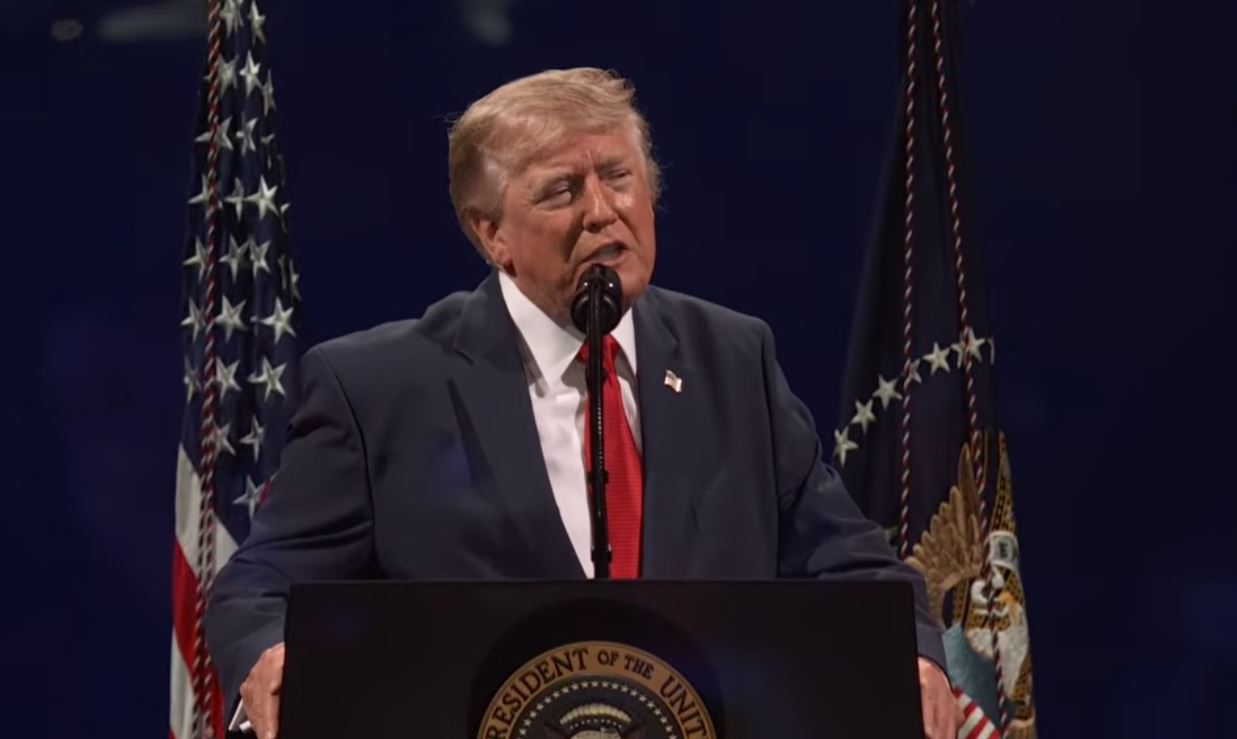
Speaking before the newly formed Board of Peace, the President declared that failure to secure a deal would trigger severe consequences. This warning coincides with the Pentagon’s most aggressive regional mobilization since the 2003 Iraq invasion.
The U.S. Navy is currently maneuvering two carrier strike groups into striking distance. The USS Gerald R. Ford now sails toward the eastern Mediterranean to join the USS Abraham Lincoln.
Simultaneously, the Air Force is flooding the region with offensive power, deploying over 50 stealth fighters and six E-3 Sentry AWACS aircraft to Prince Sultan Airbase in Saudi Arabia. This massive buildup grants the White House immediate options for precision strikes or a broad aerial campaign.
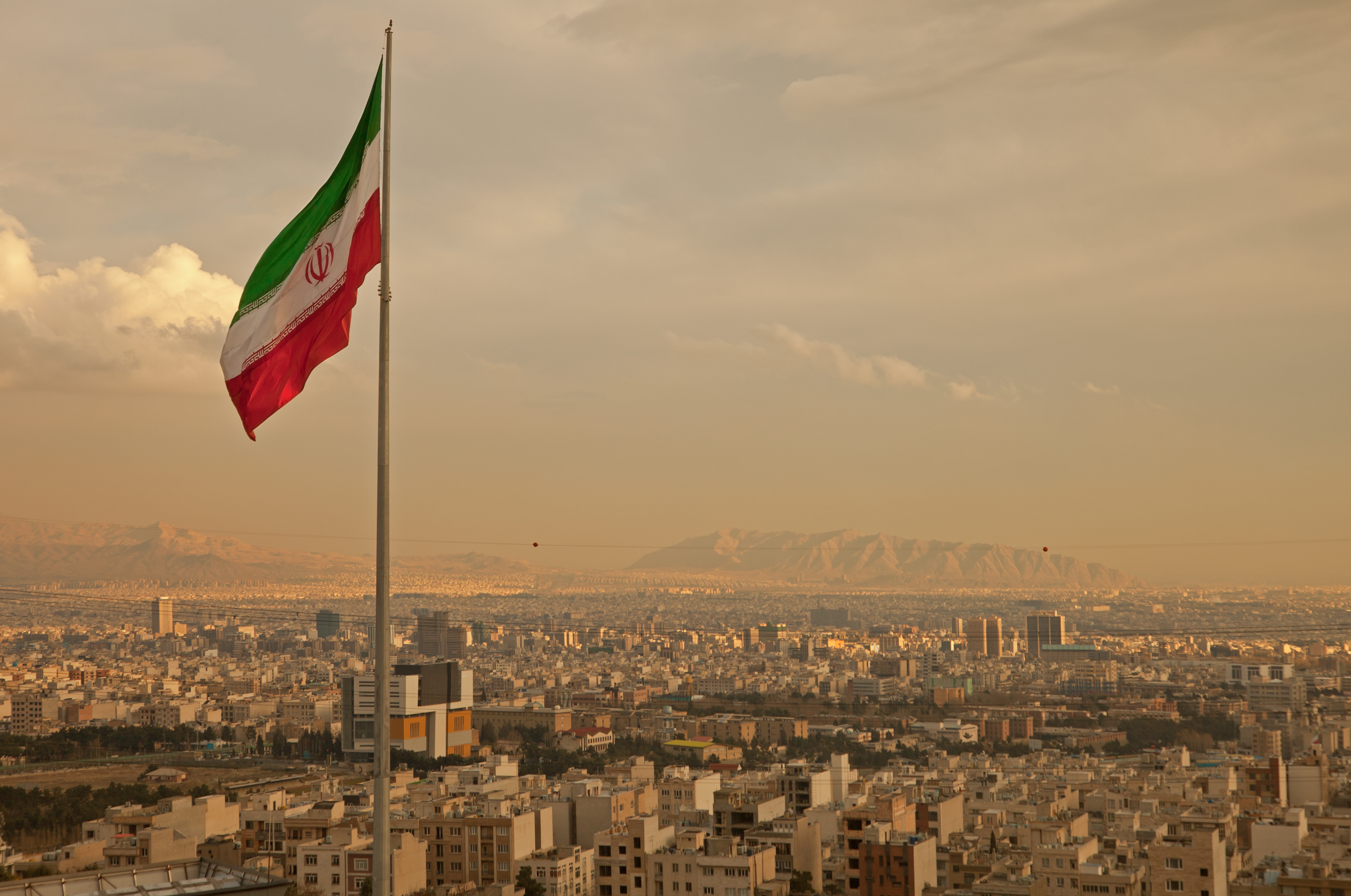
Tehran is retaliating with its own show of force, launching joint naval drills with Russia in the Gulf of Oman. Iranian commanders vow to strike all American assets in the region if the U.S. initiates any military action. While negotiators in Geneva recently drafted preliminary guiding principles, senior U.S. officials report that Iran still refuses to curb its ballistic missile development.
White House Press Secretary Karoline Leavitt maintains that the administration prefers a diplomatic exit, yet the Pentagon is finalizing contingency plans for potential strikes this weekend.