
A blue wave for the midterms? Not so fast…

By Easton Martin | June 9, 2026
Historical patterns suggest that the political party holding the White House faces a steep uphill battle during mid-term elections. With President Trump’s approval ratings sitting below 40 percent in recent tracking polls, a “blue wave” that hands control of Congress back to the Democrats appears highly probable on paper.
Yet, historical trends are rarely absolute guarantees. Several critical factors indicate that a sweep by the opposition party could fail to materialize in November.
First, the actual battleground landscape of the Senate map favors the incumbent party. Democrats are forced to defend vulnerable seats in states that flipped red during the last presidential cycle, meaning they must win in deeply hostile territory just to achieve a functional majority.
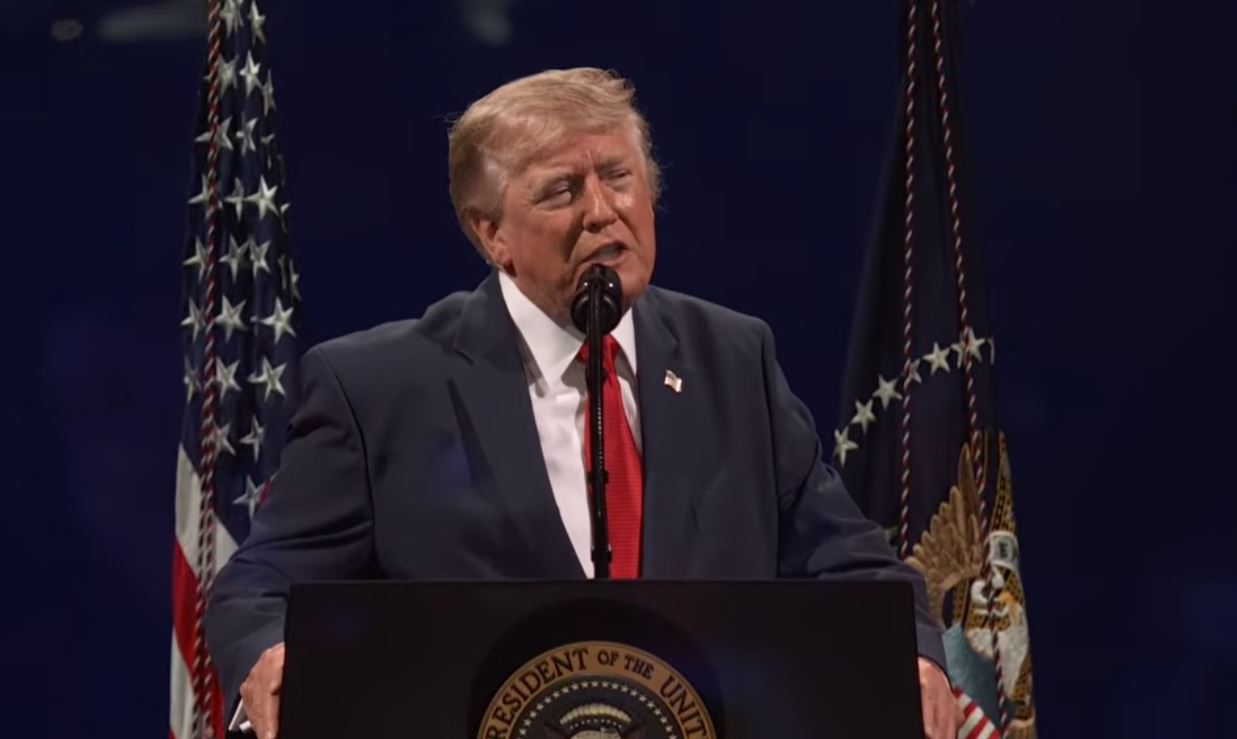
The Republican base has shown high structural resilience, heavily driven by the enduring influence of the president over primary voters. Despite lower national approval marks, Trump’s endorsement has continued to carry immense weight within the party. High-profile primary victories by Trump-backed challengers over established incumbents show that the conservative base remains highly motivated by his leadership. This internal loyalty suggests that core conservative districts remain insulated from broader national shifts. If economic anxieties or pocketbook issues like the cost of living stabilize closer to the election, swing voters may choose stability over a total change in legislative power.
Voter turnout dynamics during midterms are notoriously unpredictable. Waves depend entirely on motivation, and if independent voters decide to stay home, the expected blue surge could easily flatten into a minor ripple.